
About Us
An independent, global ecosystem for hydrogen and fuel cells from innovation to implementation
GIHF (pronounced "jiff") fosters the global networks, transparent data, and scientific collaboration that underpin hydrogen and fuel cell research, enable viable innovations, and advance education for the workforce and leaders of the future.
An independent,
neutral platform grounded
in scientific integrity
Shared knowledge,
data, metrics,
and lessons learned
Accelerating viable
technologies from
lab to deployment
Advancing hydrogen literacy,
engaging communities,
empowering the workforce
Why a Global Institute? Why Now?
Hydrogen spans many countries, sectors, technologies, and disciplines, each with distinct opportunities and challenges. As in other fields, continued innovation supports further progress.
With hydrogen activities expanding worldwide, an independent, scientific, non-advocacy platform can complement existing government- and industry-led efforts—connecting global expertise while providing transparent information, technically rigorous data, and accessible education.
GIHF is designed to serve this role. As a nongovernmental, noncommercial institute, GIHF strengthens scientific exchange, fosters innovation, and advances education and public understanding around the world.
The People
GIHF is enabled by scientists, leaders, advisors, and collaborators from around the world.
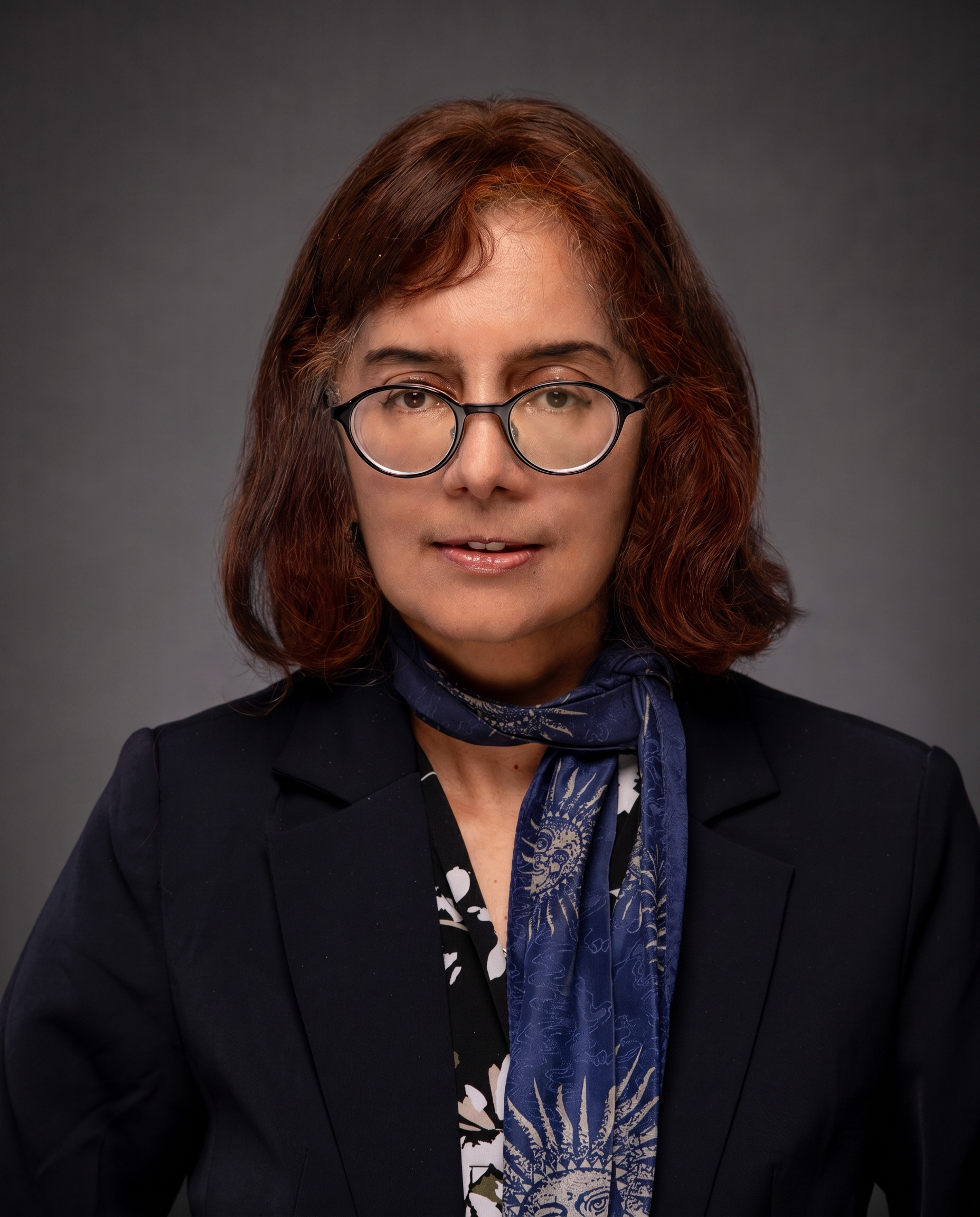
Dr. Sunita Satyapal is an internationally recognized leader in hydrogen and fuel cells with more than three decades of experience across government, industry, and academia. She served as Director of the U.S. Department of Energy's (DOE) Hydrogen and Fuel Cell Technologies Office, following earlier roles as Chief Engineer and Technology Manager, and coordinated the overall DOE Hydrogen Program. She and her team oversaw more than $10 billion in funding over the years, developed national strategies, led U.S. interagency hydrogen efforts, and supported hundreds of projects enabling more than 1,000 patents and over 30 commercial technologies.
She previously served as Chair of the International Partnership for Hydrogen and Fuel Cells in the Economy (IPHE) and as co-lead of hydrogen initiatives under the Clean Energy Ministerial and Mission Innovation, working with more than 30 countries and the European Commission. Earlier positions included researcher, manager, and business development lead at United Technologies, as well as visiting assistant professor.
She holds a Ph.D. in Physical Chemistry from Columbia University and completed postdoctoral research in Applied and Engineering Physics at Cornell University. She has 10 patents and numerous publications, including in Scientific American and Nature Energy, and is a recipient of both the Meritorious and Distinguished Presidential Rank Awards from the President of the United States.
Dr. Sunita Satyapal
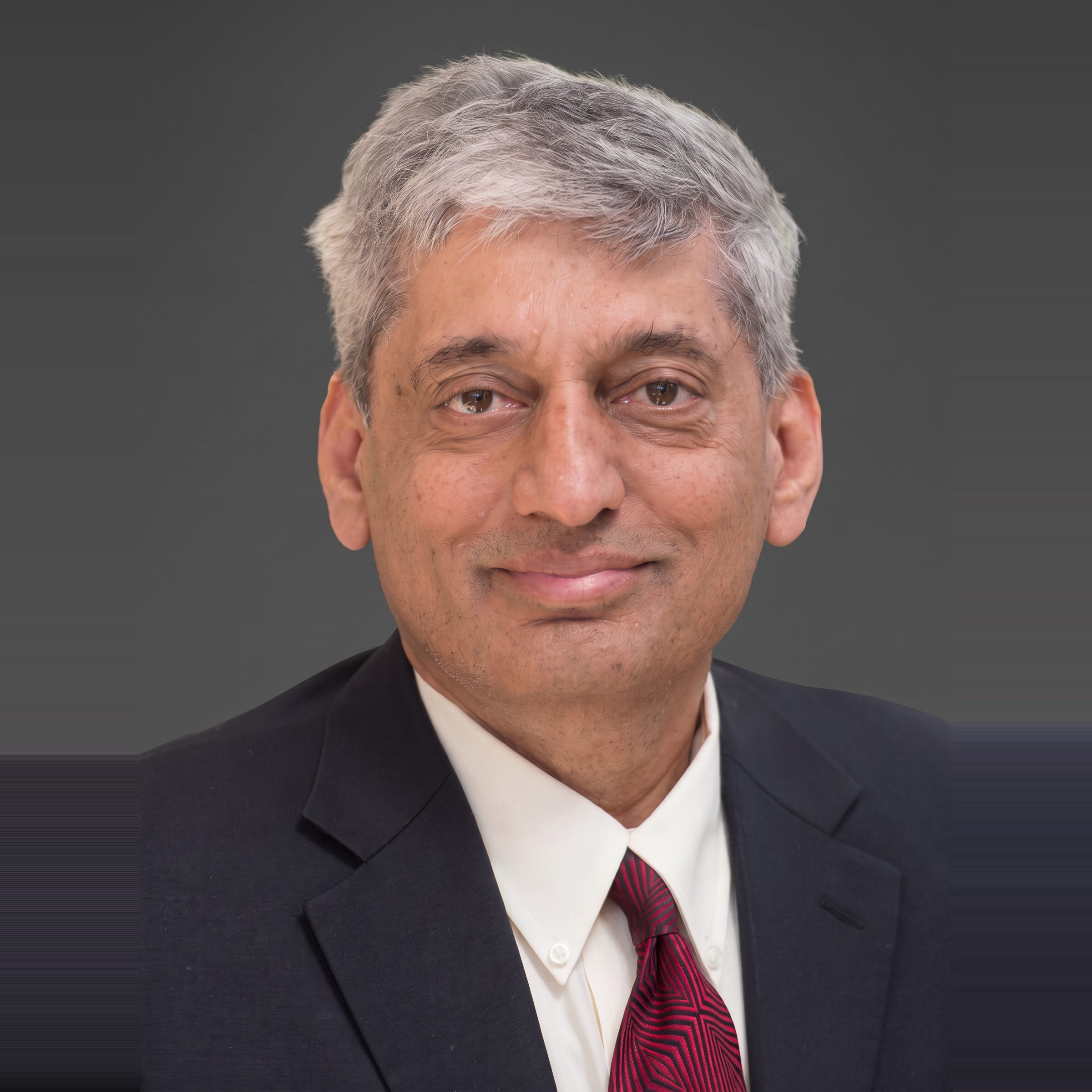
Dr. Rajesh K. Ahluwalia has more than four decades of experience at Argonne National Laboratory, where he led the Fuel Cells and Hydrogen Systems Modeling and Analysis activities. He received multiple awards from the U.S. Department of Energy, the University of Chicago, and Argonne for his technical contributions to electro‑metallurgical treatment of spent nuclear fuel, fuel cells, on‑board fuel processing, hydrogen storage, and hydrogen production.
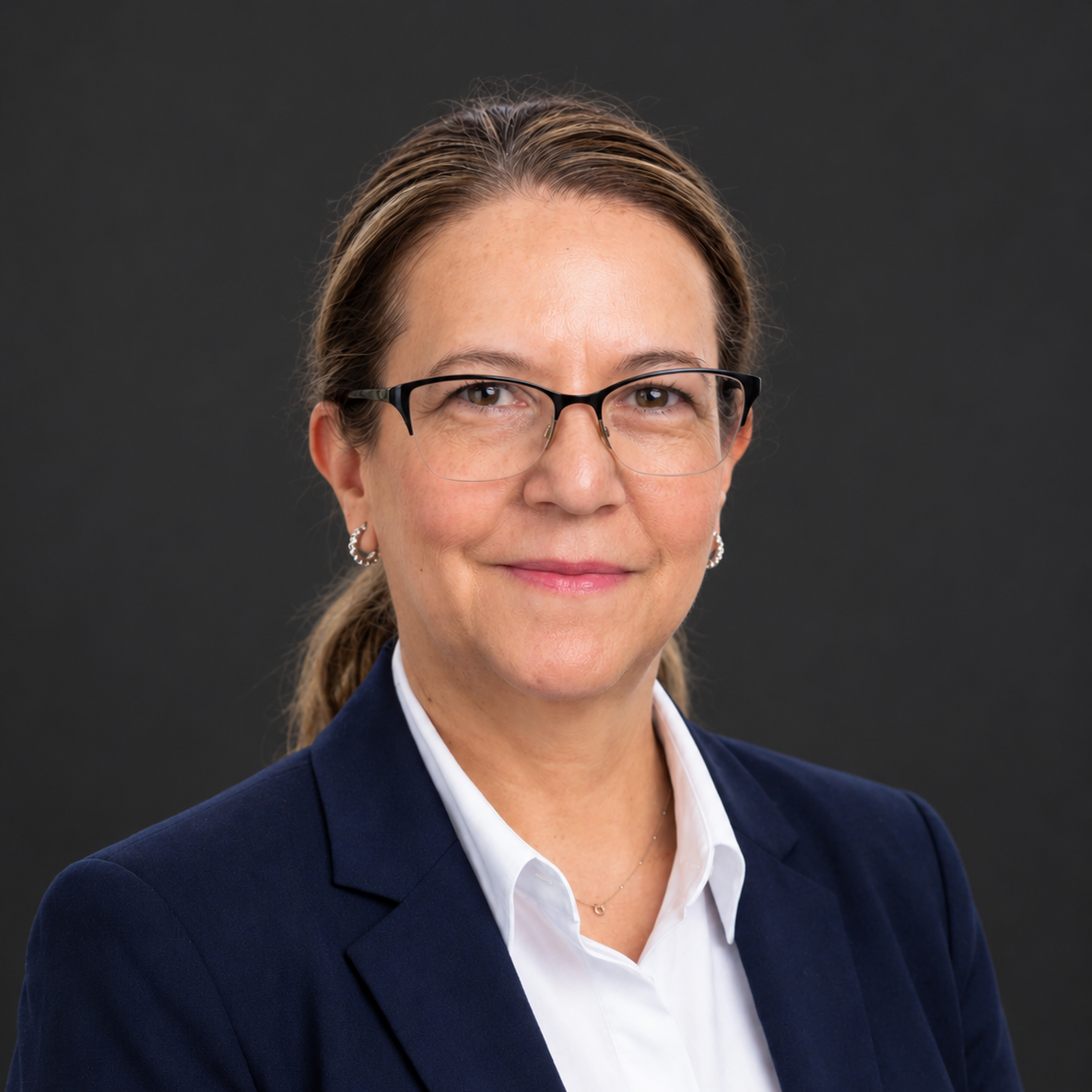
Dr. Tatiana Romero Castañón is a leading researcher in hydrogen and fuel cell technologies with more than 25 years of experience at Mexico’s Instituto Nacional de Electricidad y Energías Limpias (INEEL). She leads research and development in hydrogen production, energy storage, electrolyzers, fuel cells, and electrochemical energy systems, and has coordinated major national hydrogen projects in Mexico. She serves in a leadership role for the Mexican Hydrogen Society, holds a Ph.D. in Mechanical Engineering from the University of British Columbia, and has numerous publications in hydrogen and electrochemical energy systems.
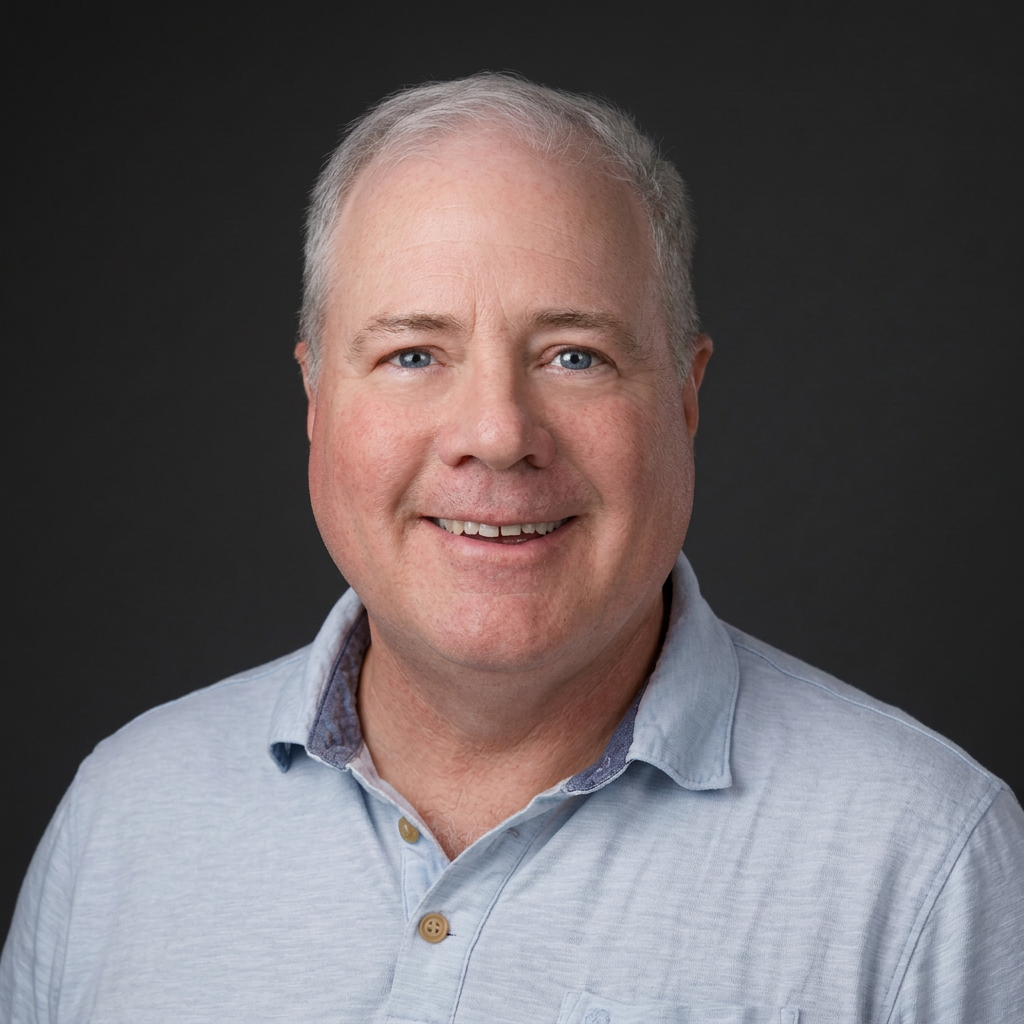
Glenn Christianson has more than 35 years of experience in accounting and bookkeeping, supporting a wide range of clients across sectors, including nonprofit organizations, small businesses, and professional service firms. Over the course of his career, he has provided financial reporting and compliance‑support services, helping organizations establish reliable accounting systems and financial records. Glenn's work with nonprofit entities spans multiple decades and includes experience with grant‑related accounting, donor‑fund tracking, annual reporting, and volunteering to help early‑stage and growing organizations.
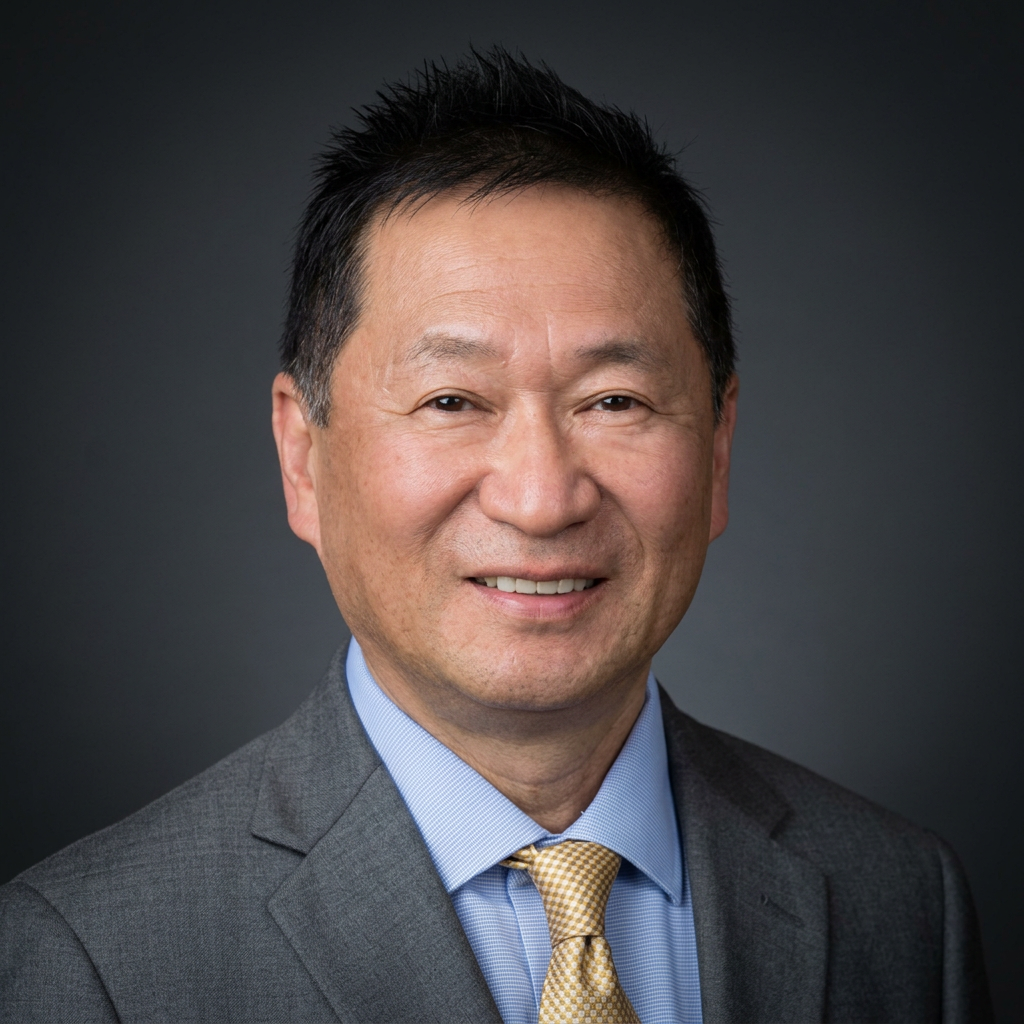
Shinichi Hirano has more than three decades of experience in automotive fuel cell and hydrogen technologies. He spent 17 years at Ford Motor Company leading fuel cell research and development, the Ford–Daimler fuel cell alliance, and USDRIVE/USCAR partnerships with the U.S. Department of Energy. He previously led fuel cell research at Mazda and later served as Chief Technology Officer at Hyzon Motors. He has numerous U.S. patents and publications in fuel cell and battery technologies and currently has multiple advisory duties in these areas.
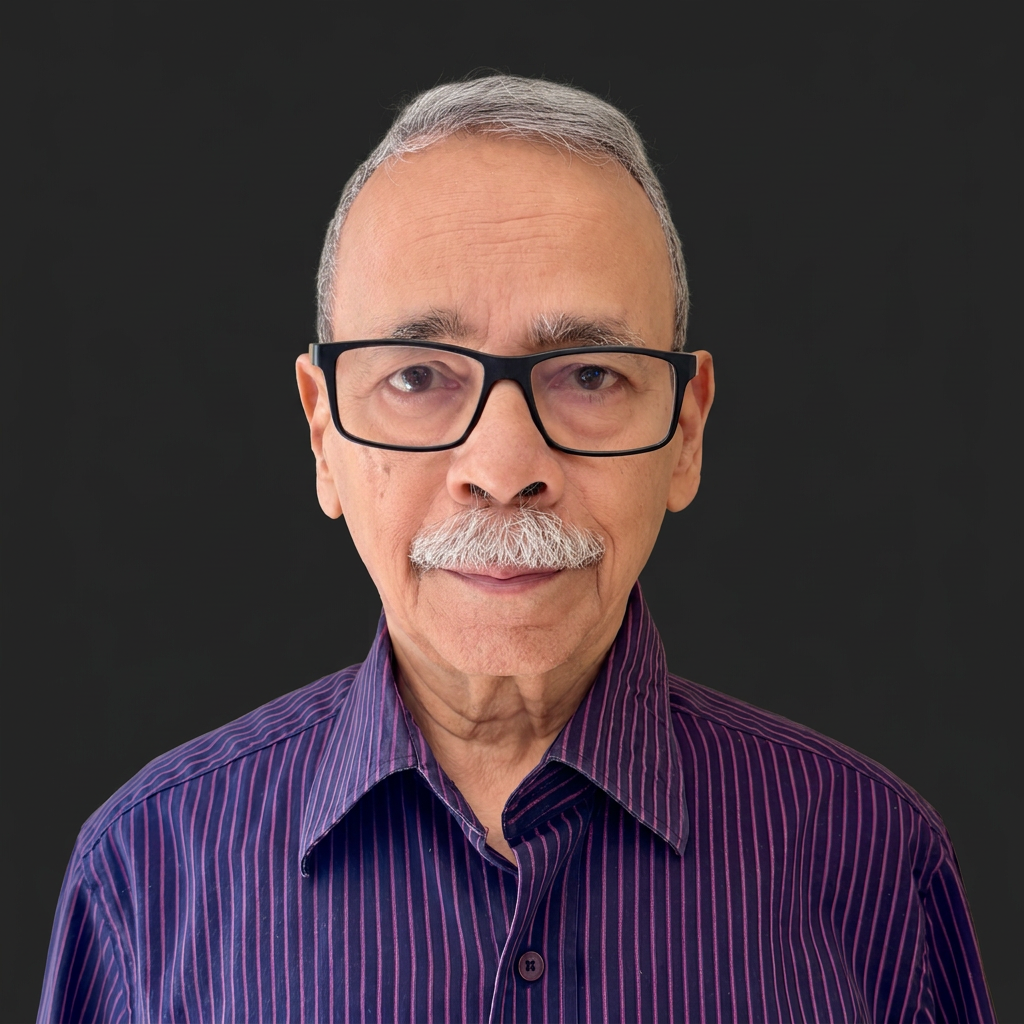
Dr. Lalit Mohan Das is a leading figure in hydrogen research with more than four decades of experience at IIT Delhi. His contributions to hydrogen energy include several sponsored projects (such as UNIDO, MNRE, and Shell), doctoral student supervision, and research spanning laboratory studies to real-world demonstrations. He has published numerous research papers and reports and received several recognitions and awards. His recent books include Hydrogen Engines: Design, Performance Evaluation, Combustion Analysis, and Exhaust Emissions (Wiley, 2025) and Hydrogen Energy: Production, Safety, Storage and Applications (Wiley, 2024).
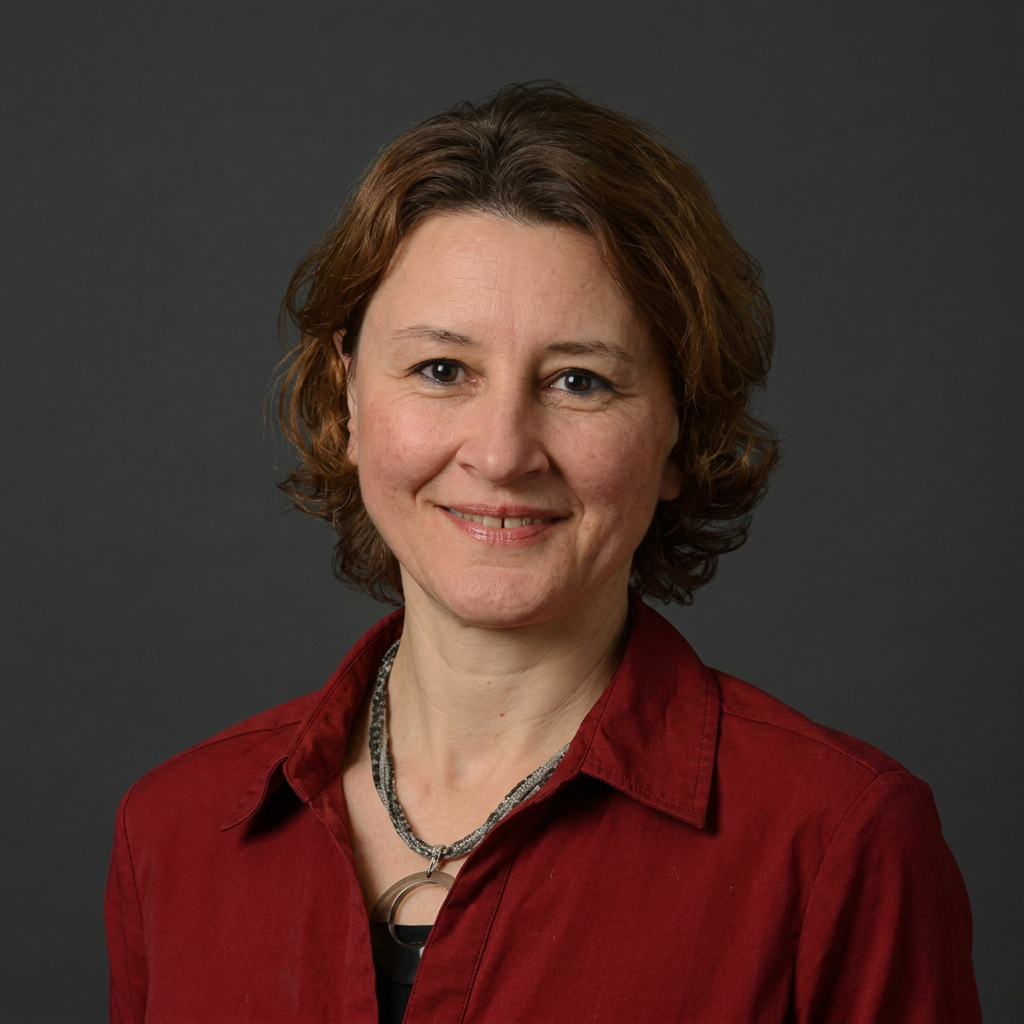
Dr. Jasna Jankovic is the founder and leader of REACH2, an NSF-funded project advancing a global “network of networks” in hydrogen fuel cell research and education. She has more than 25 years of experience spanning nanomaterials, microscopy, and material design for fuel cell, electrolyzer, and battery systems, including at the Automotive Fuel Cell Cooperation (AFCC), a Ford–Daimler joint venture. She is Associate Professor of Materials Science and Engineering at the University of Connecticut and has numerous publications and patents in fuel cell and electrolyzer technologies.
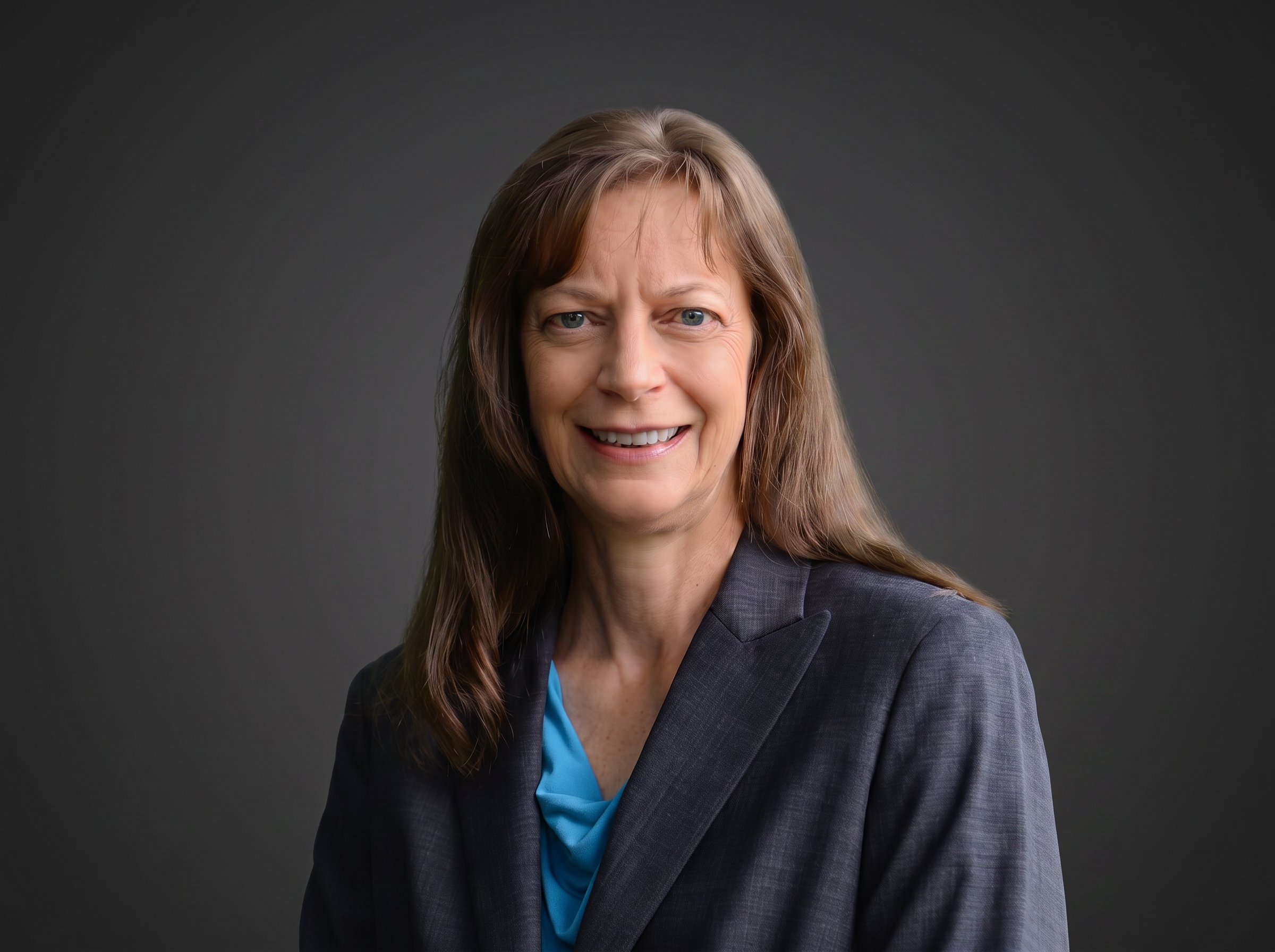
Shanna Knights, MASc, FCAE, has more than 30 years of experience in fuel cell technology. At Ballard Power Systems she served as Director of Research and Director of Technology Collaborations, leading components R&D, innovation initiatives, external technical partnerships, and government-funded research. She has authored numerous scientific publications and book chapters, holds 25 patents, and has served on multiple advisory boards, including the U.S. Department of Energy's Multi-Modal Fuel Cell Technology Consortium (M2FCT). Her many recognitions include fellowship in the Canadian Academy of Engineering.
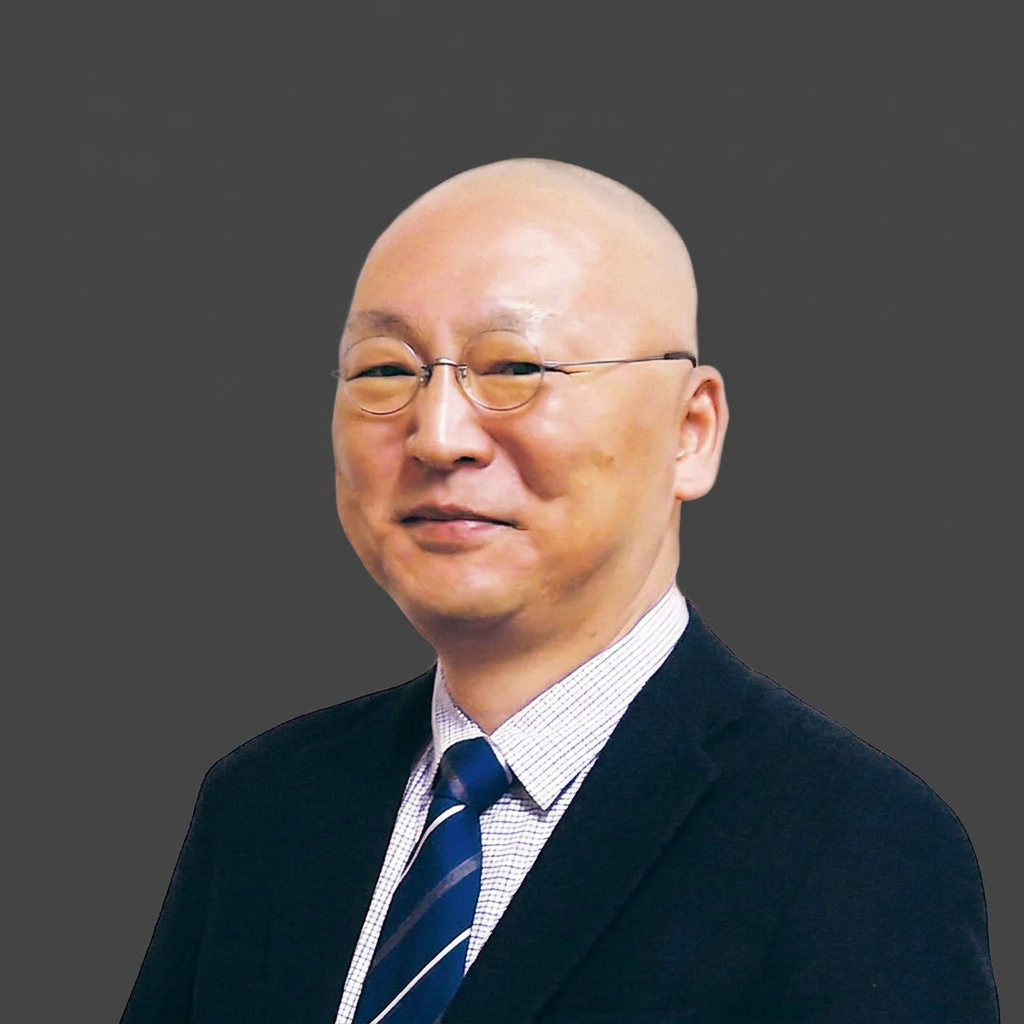
Prof. Dr. Shin Nishimura is a long‑time expert in hydrogen materials and technologies, particularly polymeric materials for hydrogen compatibility. His career spans both industry and academia, including roles in Japan’s materials and chemical‑engineering sector and leadership positions within the International Organization for Standardization (ISO). He is Division Director for the International and Interdisciplinary Division at HYDROGENIUS, the Hydrogen Institute for Sustainability, and a Professor at Kyushu University. He has authored numerous publications and collaborates globally to advance materials innovation and hydrogen safety.
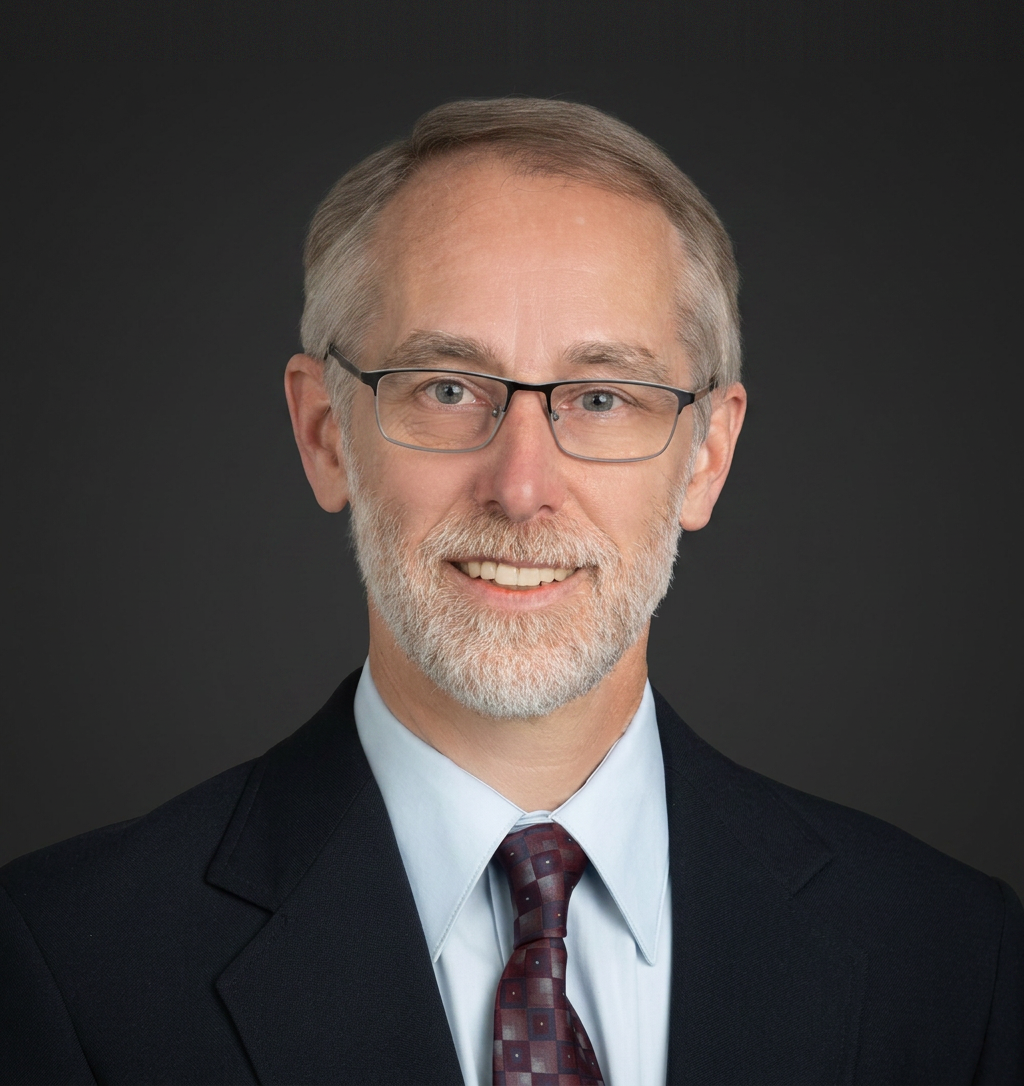
Dr. David Peterson has more than 30 years of experience in hydrogen and fuel cell technologies across government and industry. He spent over two decades in the U.S. Department of Energy's Hydrogen and Fuel Cell Technologies Office, serving in multiple technical and leadership roles, including leading a $1 billion electrolysis research, development, and manufacturing program. His expertise spans early-stage research through technology development and demonstration, with emphasis on both low- and high-temperature electrolyzers and fuel cells.

Sonia Sánchez, a mechanical engineer and consultant with experience in the Middle East and Europe, is founder of H2C, an independent hydrogen market-intelligence platform for research, reporting, and project tracking across the global hydrogen sector. Her engineering experience includes contributing to the pilot deployment of plasma pyrolysis for converting landfill gas into methane, hydrogen, and graphene with Khalifa University’s Research and Innovation Center. She was selected as one of 25 women worldwide for Masdar’s WiSER Pioneers Programme and completed Japan’s JCCP hydrogen training. She also works with digital platforms and AI tools supporting hydrogen training and project tracking.
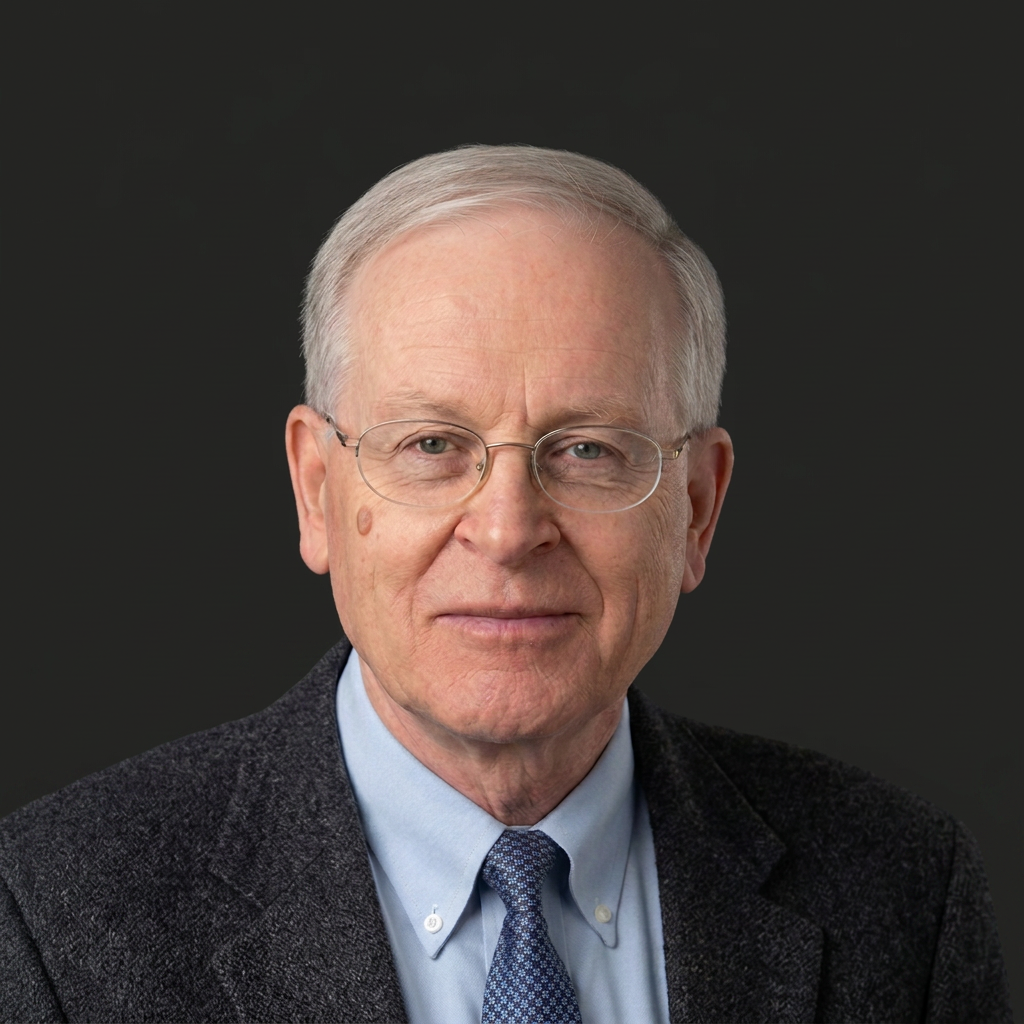
Dr. Petros Sofronis is an internationally known expert with more than three decades of experience in materials behavior, fracture mechanics, and multiscale modeling. He is a Professor of Mechanical Science and Engineering at the University of Illinois Urbana-Champaign with widely cited contributions to hydrogen embrittlement and structural integrity. His work spans fundamental research, international collaboration, and leadership of large-scale hydrogen research programs, including at Kyushu University where he served for more than a decade as the founding director of the World Premier International Research Center I2CNER.
Honorary Advisors
Leaders Advancing Science and Technology
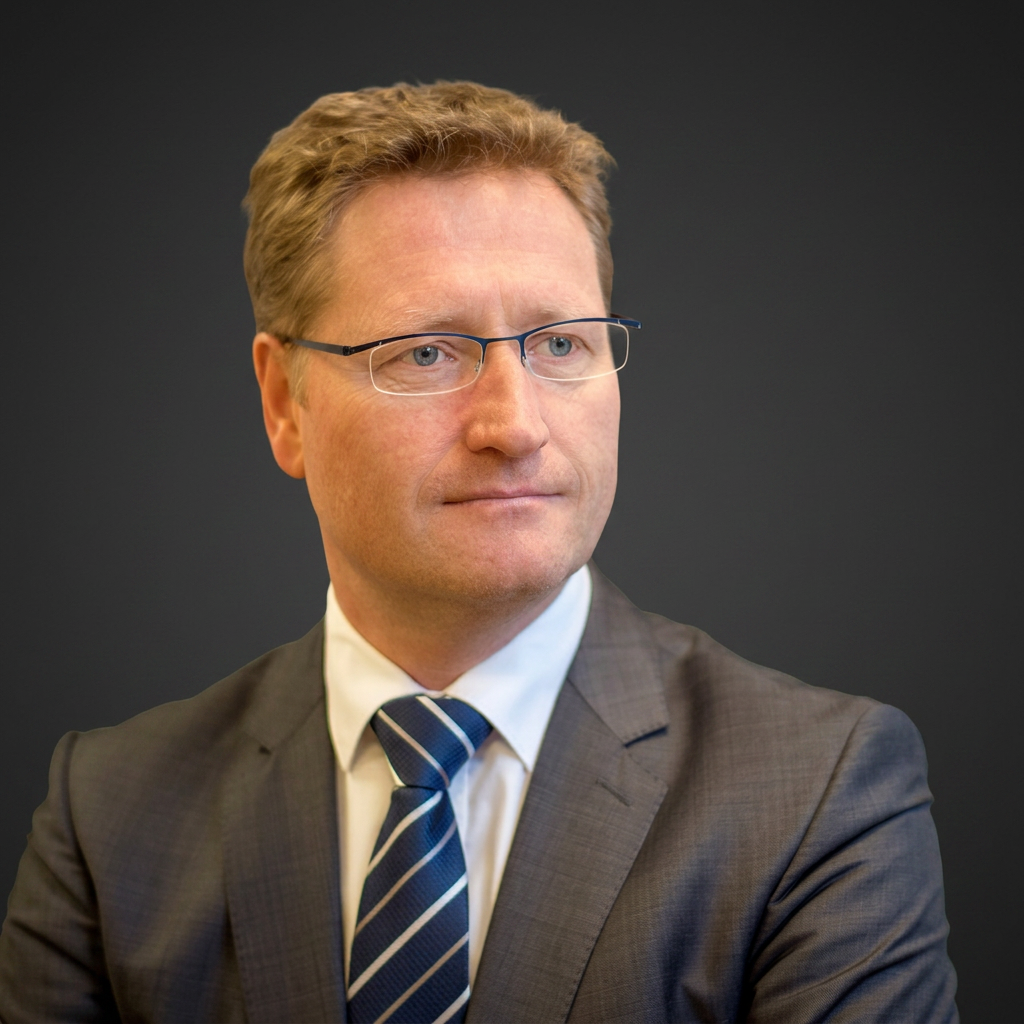
Prof. Dr. Klaus Bonhoff has more than 30 years of experience in hydrogen and fuel cells, spanning research, automotive fuel‑cell development at Ballard and DaimlerChrysler, and leadership of major German government hydrogen programs, including responsibility for sustainable mobility as Director General at the Federal Ministry for Transport, with ongoing influential engagement across the global sector. He previously served as Managing Director of NOW GmbH, Germany’s national organization for hydrogen and fuel‑cell innovation, where he oversaw large‑scale deployment programs and international collaboration for clean mobility, including battery and fuel cell systems.
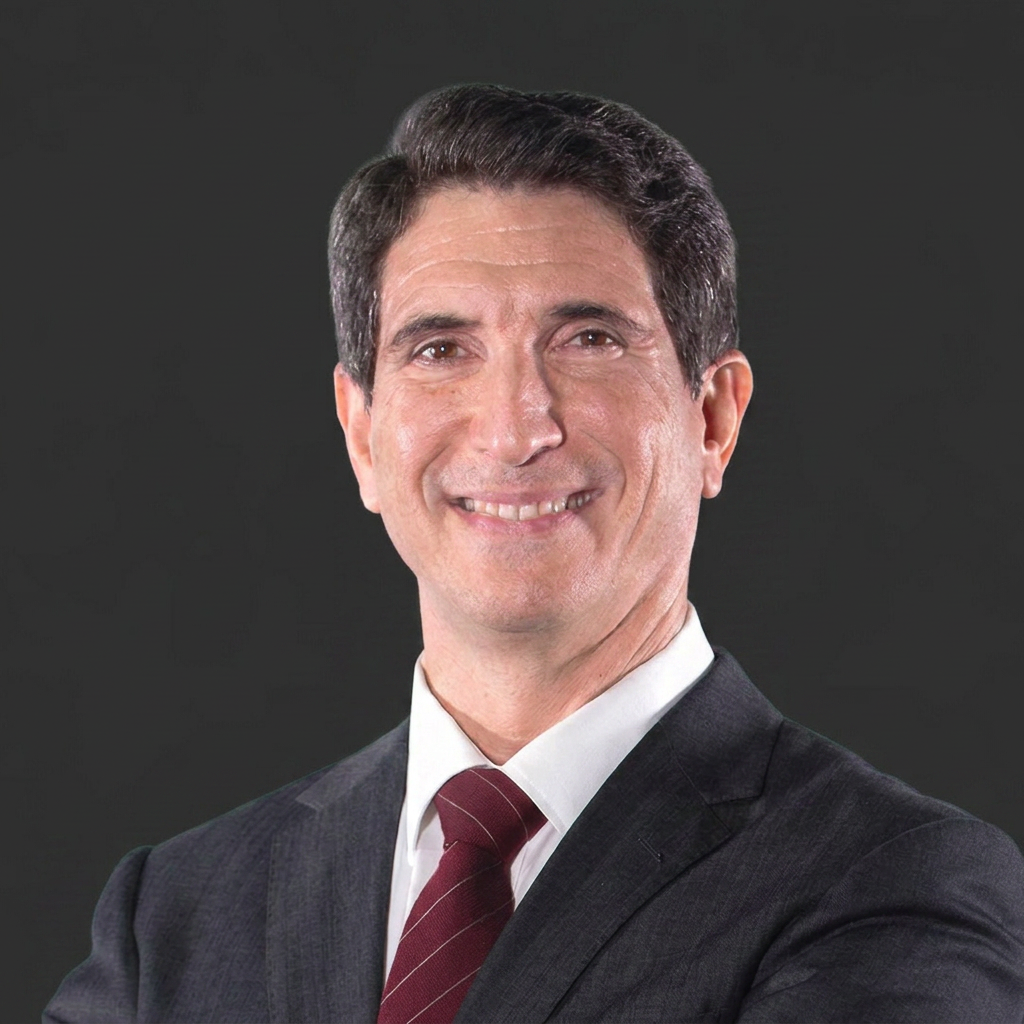
Dr. Javier Brey has been active in hydrogen and fuel cell technologies since 1998 across industry, public policy, and academia. He serves as President of the Spanish Hydrogen Association (AeH2), a professor at Loyola University in Spain, and is also co‑founder and Chief Technology Officer of H2B2 Electrolysis Technologies. His previous roles include CEO positions within the Abengoa Group’s hydrogen subsidiaries, board roles at Giner ELX and HyGear, and advisory and capacity‑building work with UNIDO and UNDP. He has authored numerous publications, holds several patents, and has received multiple recognitions including IAHE Fellow and Honorary Professor at Amity University.
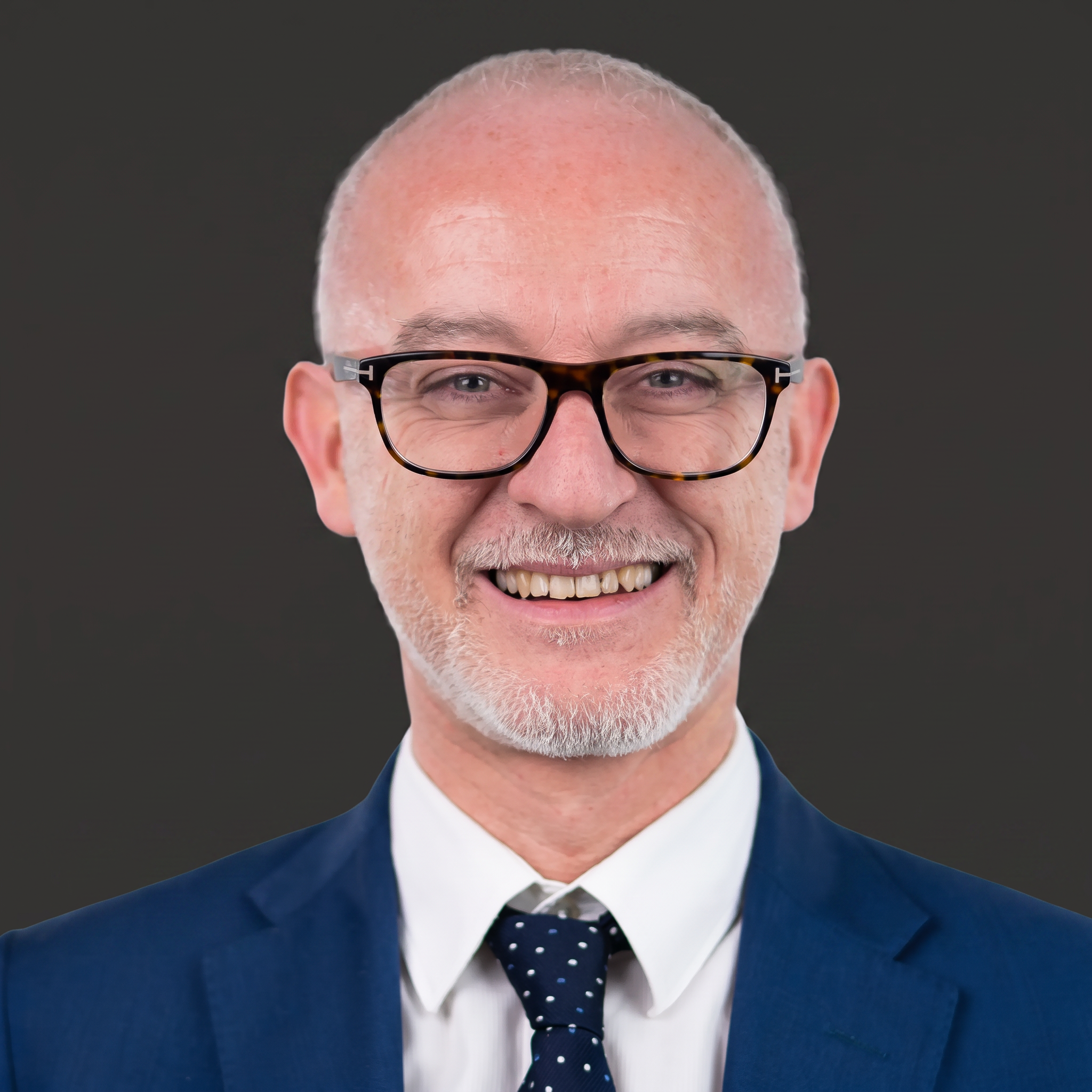
Dr. Luigi Crema is Director of the Center for Sustainable Energy at Fondazione Bruno Kessler (FBK) and President of Hydrogen Europe Research, serving on the Governing Board of the Clean Hydrogen Joint Undertaking and representing European universities and research centres in hydrogen innovation. He is Vice President and Chair of the Scientific Committee of H2IT, the Italian Hydrogen Association. With over 25 years of experience in energy research and innovation, his work spans hydrogen technologies, batteries, integrated energy systems and solar technologies. He has contributed to European energy research programmes, combining scientific and technological development with strategic leadership at national and European levels.
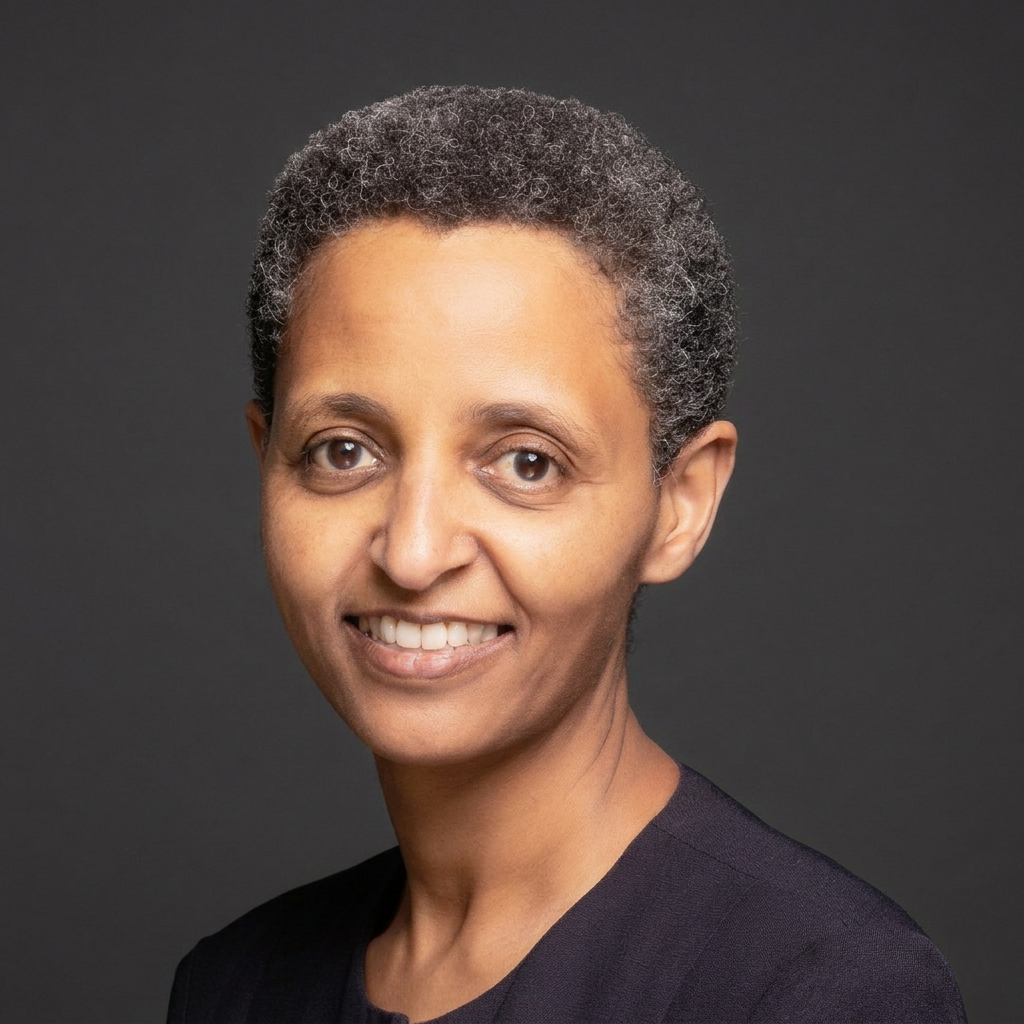
Dr. Sossina M. Haile is a leading figure in sustainable electrochemical energy materials, with research spanning reversible electrochemical cells, solid-state energy storage, and solar-driven thermochemical hydrogen production. She is Murphy Professor of Materials Science and Engineering at Northwestern University, where she holds appointments in Applied Physics and Chemistry. She earned her S.B. and Ph.D. in Materials Science and Engineering from MIT and her M.Sc. from the University of California, Berkeley. She also currently serves as President-Elect of the Materials Research Society.
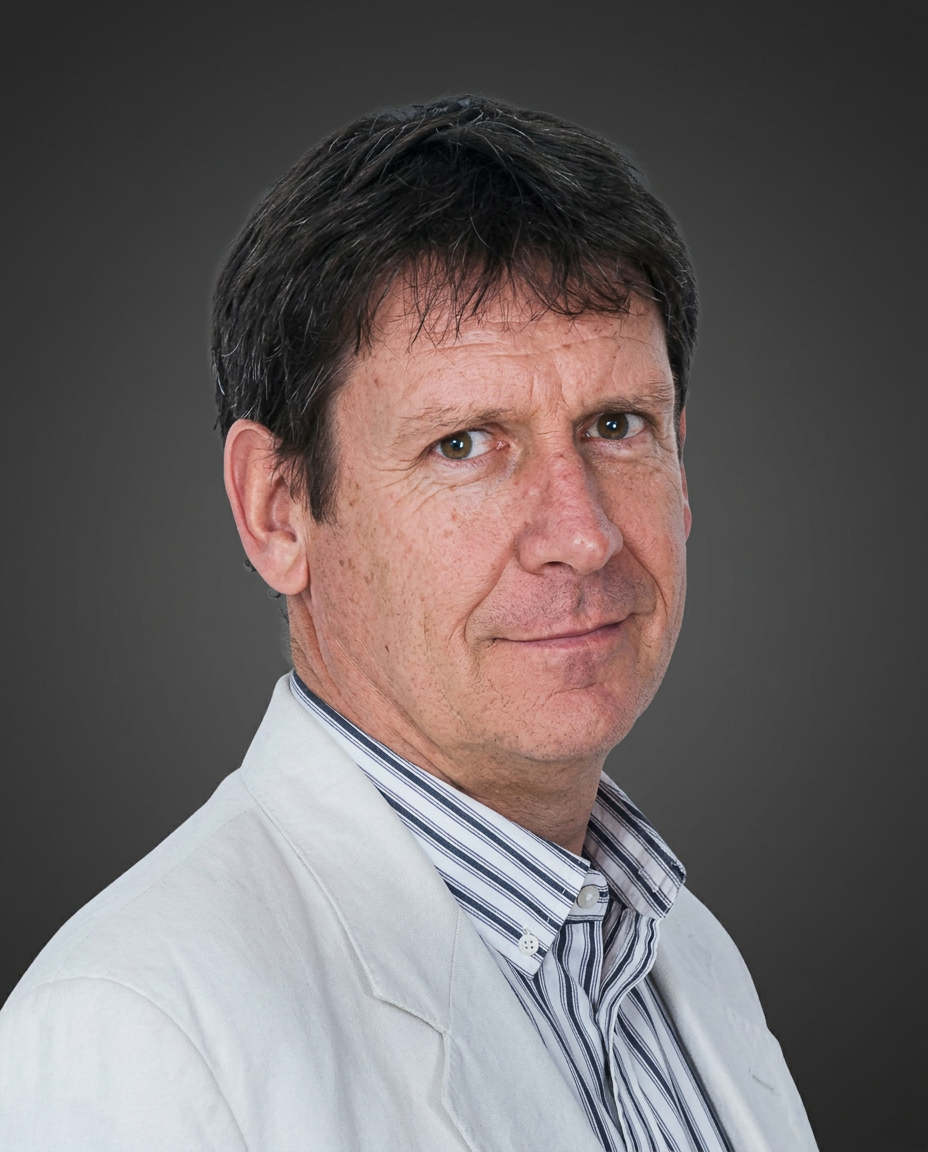
Prof Dr David Hart is a long‑standing expert in hydrogen energy, setting up a research group on hydrogen energy systems at Imperial College London in the mid‑1990s. He helped found and grow sustainable energy consultancy E4tech until acquisition in 2021 by ERM, advising governments, investors, companies, and NGOs worldwide on strategic, technical, economic, and policy dimensions of hydrogen and fuel‑cell developments. He is now ERM's Global Hydrogen Lead, a Visiting Professor at Imperial College, on the Board of the International Association for Hydrogen Energy and an independent expert advisor.
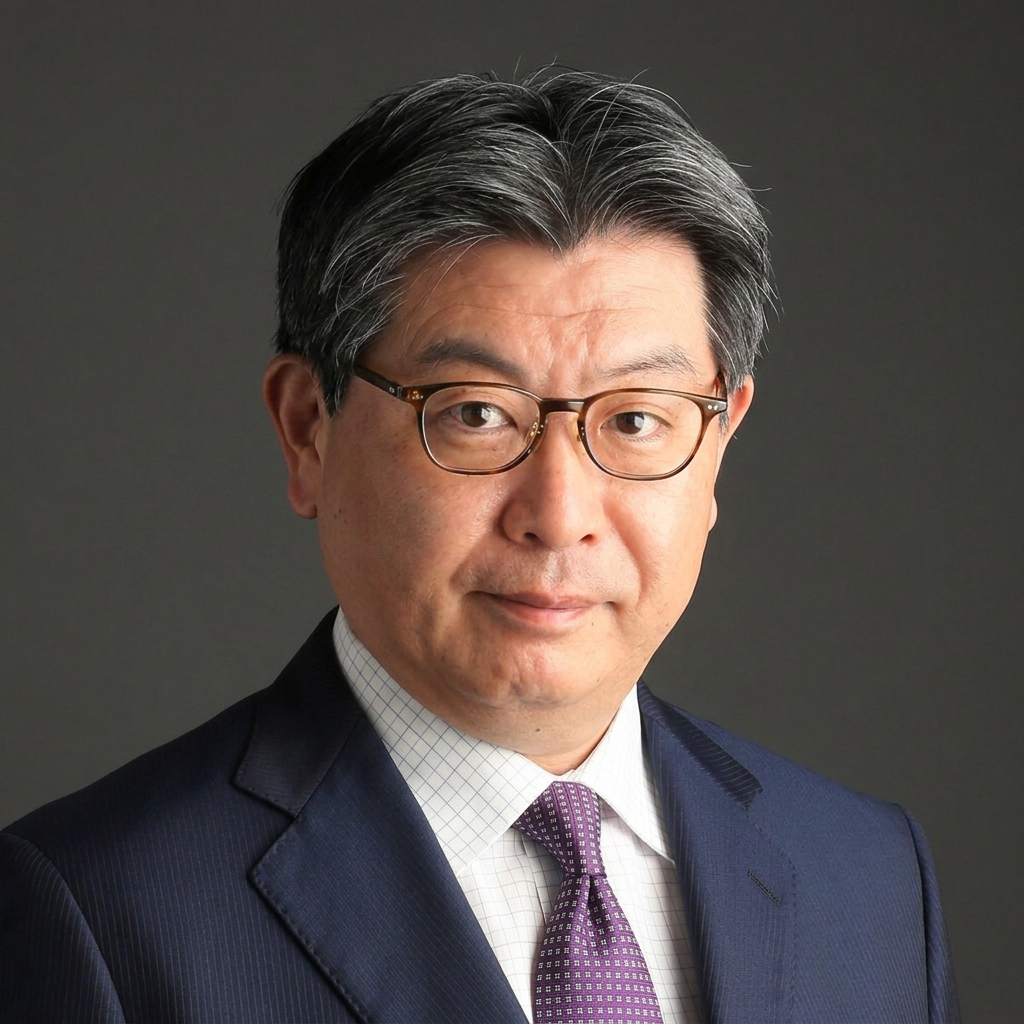
Dr. Michio Hashimoto is a professor at the Research Center for Advanced Science and Technology (RCAST), University of Tokyo, specializing in energy policy, hydrogen, renewable energy, and global energy transition strategy. He has held senior leadership roles across Japan's energy institutions, including serving as Director for Automotive Industries Policy at METI, Head of Innovation and Technology at the International Renewable Energy Agency (IRENA), and Director General for New Energy Technologies at NEDO. His career spans government, international organizations, and academia, leading major energy initiatives and holding prior academic appointments at Tokyo Institute of Technology, Osaka University, and Kyoto University.
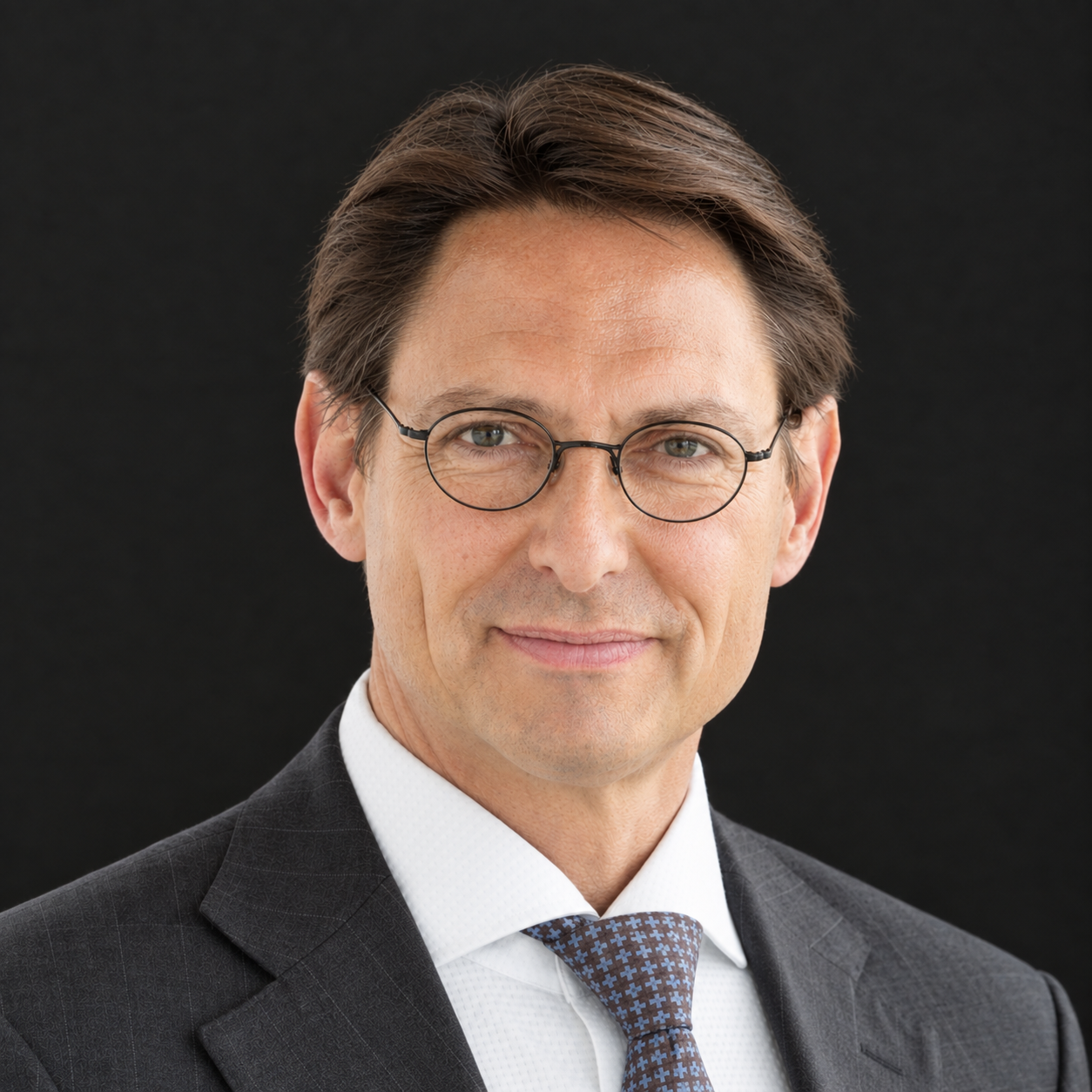
Prof. Dr. Christopher Hebling is an internationally recognized leader and physicist whose career spans more than 30 years at the Fraunhofer Institute for Solar Energy Systems (ISE), currently as Director International, leading global collaboration on hydrogen and integrated energy systems, and previously as Director of the Hydrogen Technologies Division, overseeing more than 160 staff. He has numerous publications, recognitions, and appointments, including Honorary Professor at the University of Cape Town, Co‑Chairman of the Advisory Board of the National Organization for Sustainable Mobility (NOW), Member of the ExCo of the Hydrogen TCP of the International Energy Agency and Member of the National Academy for Science and Engineering in Germany.
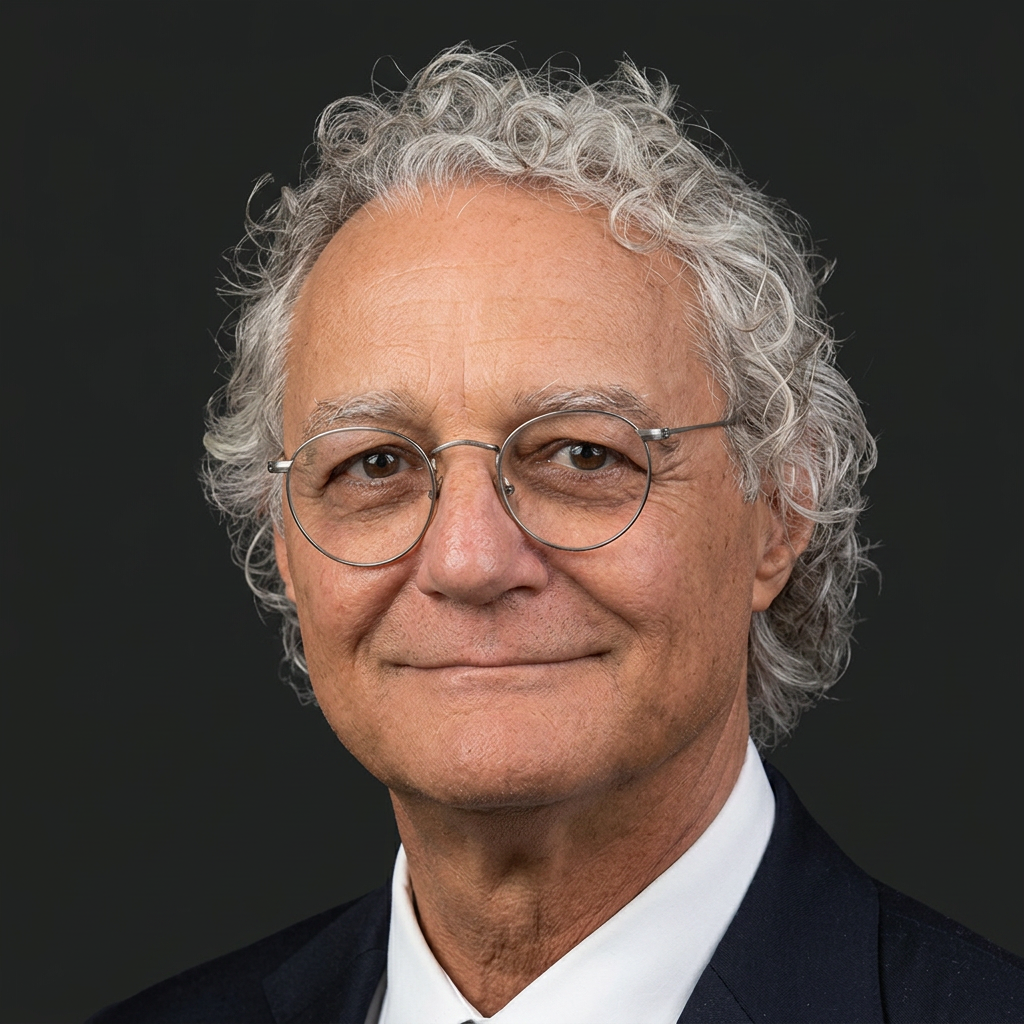
Prof. Dr. Paulo Emílio Valadão de Miranda has more than 40 years of experience in hydrogen science and technology, including solid oxide fuel cells, hybrid electric–hydrogen mobility, and natural‑hydrogen research and exploration. He is Professor at the Federal University of Rio de Janeiro, head of the Hydrogen Laboratory at Coppe/UFRJ, and President of the Brazilian Hydrogen Association. He currently serves as Chair of the International Partnership for Hydrogen and Fuel Cells in the Economy (IPHE). He has authored numerous scientific publications and holds multiple patents related to hydrogen and clean‑energy technologies.
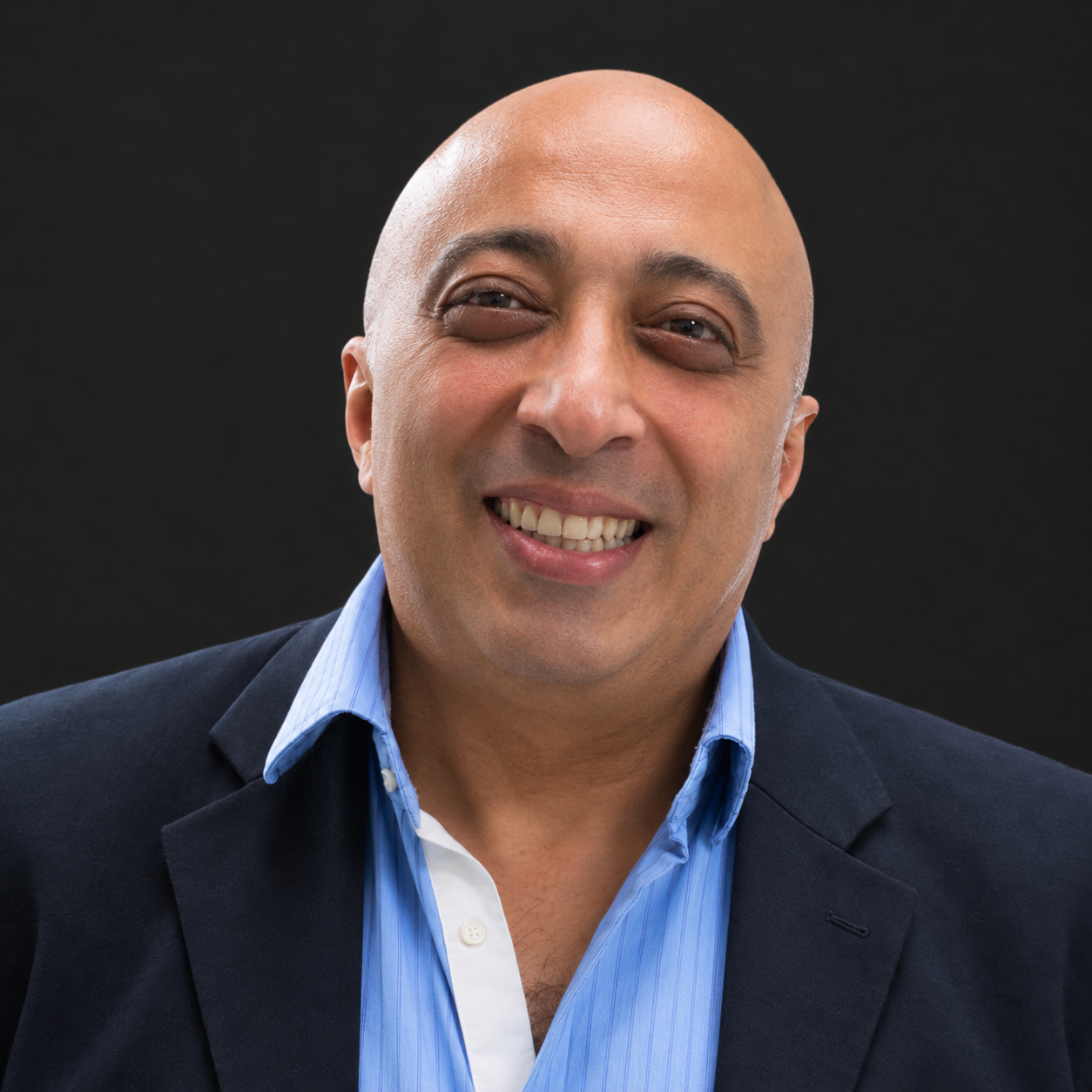
Prof. Dr. Bruno G. Pollet is an internationally recognized hydrogen expert whose career spans work in the UK, Japan, South Africa, Norway, and Canada. He is Professor of Chemistry and Co‑Director of the Hydrogen Research Institute at the Université du Québec à Trois‑Rivières and serves on several high‑level bodies including the Council of Engineers for the Energy Transition, an advisory council to the United Nations’ Secretary‑General, where he leads the Council’s Clean Hydrogen Task Force. He also serves as Executive Vice President of the International Association for Hydrogen Energy (IAHE), President of its Clean Hydrogen Division, and board member of the Canadian Hydrogen Association. He has authored more than 400 publications.
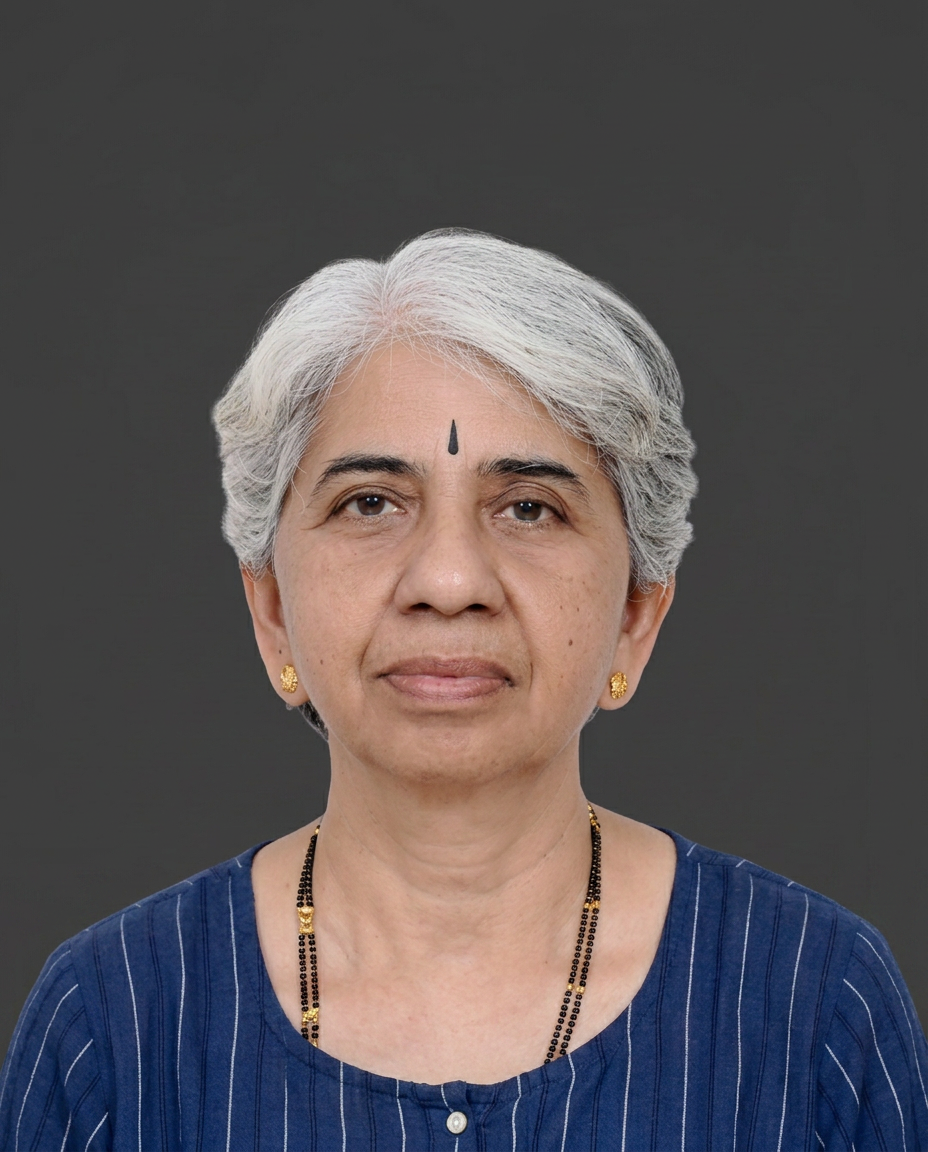
Dr. Chitra Rajagopal has more than four decades of experience, including in hydrogen technologies. She has held various research and academic roles including Director of the Centre for Fire Explosives and Environment Safety, Director General for Systems analysis and Modelling, Director of the Centre of Excellence in Process Safety and Risk Management at IIT Delhi, and Distinguished Visiting Professor. She currently serves as a Fellow to the Indian Prime Minister’s Principal Scientific Adviser. Her work spans hydrogen safety, quantitative risk assessment, disaster management, and clean-energy systems analysis. She has authored more than 100 publications and holds multiple patents.
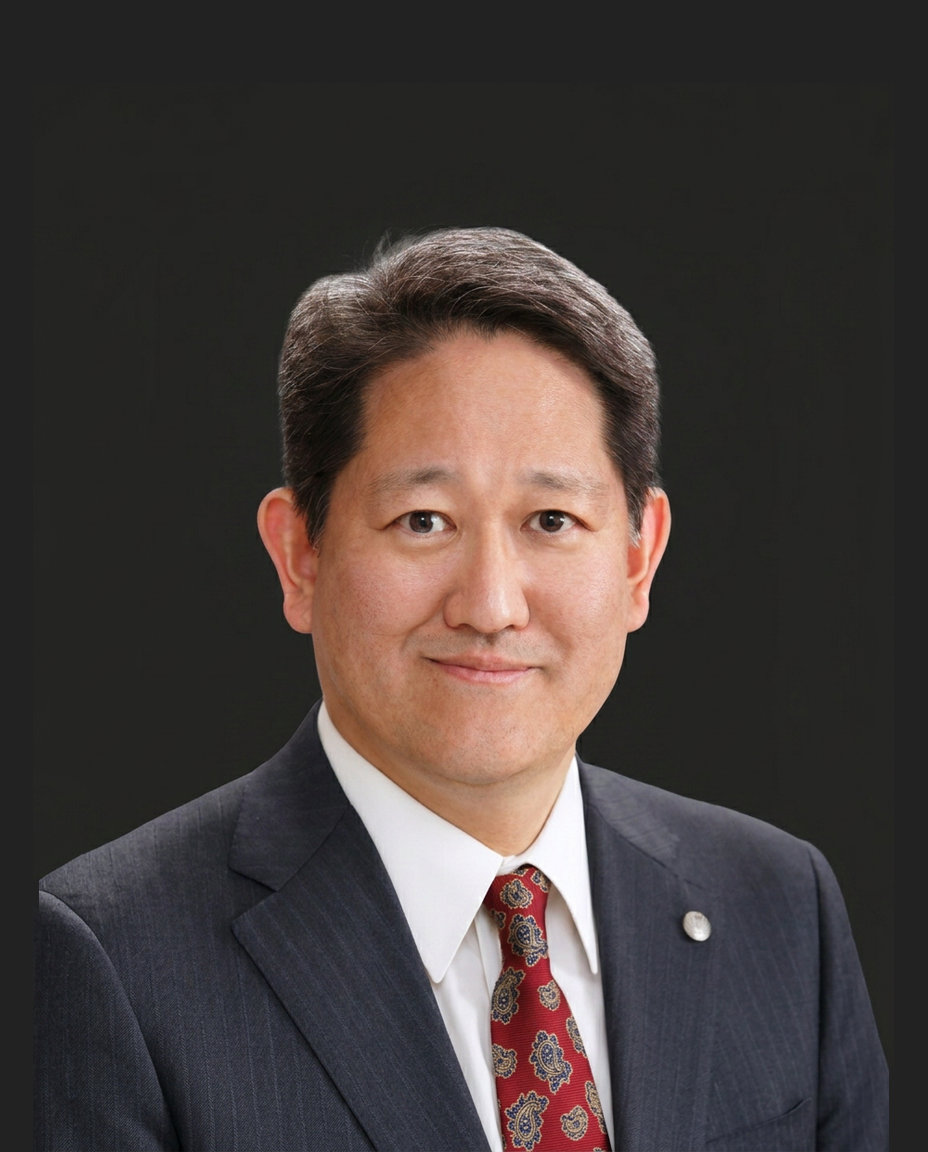
Dr. Kazunari Sasaki has more than 35 years of experience in fuel cell materials, hydrogen energy systems, and electrochemistry, spanning research leadership roles in Japan, Switzerland, and Germany. He has served on the Science Council of Japan and the Japanese Government’s Council for Science and Technology, and is a Senior Vice President and Distinguished Professor at Kyushu University. He previously conducted research at ETH Zürich and the Max Planck Institute for Solid State Research, and has more than 300 publications in electrochemistry, materials science, and fuel cell engineering.

Dr. Lourdes F. Vega is Professor of Chemical Engineering and Founder and Senior Director of the Energy Institute at Khalifa University (UAE), with expertise spanning clean energy technologies, including hydrogen, sustainable fuels, and carbon capture. She is also the founder and former director of the Research and Innovation Center on CO₂ and Hydrogen (RICH Center) and serves as the UAE Technical Representative to Mission Innovation's Clean Hydrogen Mission. Dr. Vega has authored more than 300 publications, holds eight patents, and has co-founded two technology start-ups. Her numerous honors include election as a Fellow of the American Institute of Chemical Engineers (AIChE), Corresponding Academician of the Royal Academy of Sciences of Spain, and recognition among the World's Top 2% Most-Cited Scientists.
Leaders and Partnership Stewards Enabling Implementation
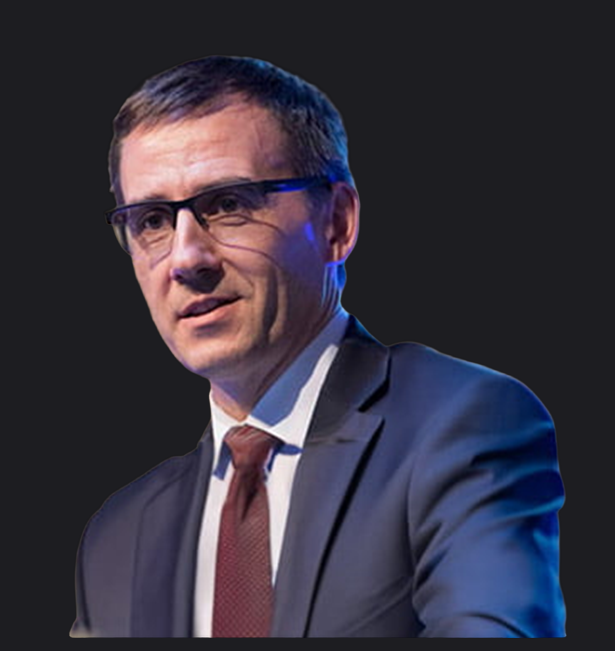
Dr. Laurent Antoni is the Executive Director of the International Partnership for Hydrogen and Fuel Cells in the Economy (IPHE), an intergovernmental partnership of more than 25 countries and the European Commission. He is also a Senior Fellow for hydrogen at CEA, France’s national research and technology organization. He holds various leadership roles in the International Organization for Standardization (ISO), including serving as convenor of the working group on carbon‑footprint methodologies for hydrogen. His prior roles include serving as President of Hydrogen Europe Research and as a Division Manager at CEA overseeing fuel cell and battery technologies.
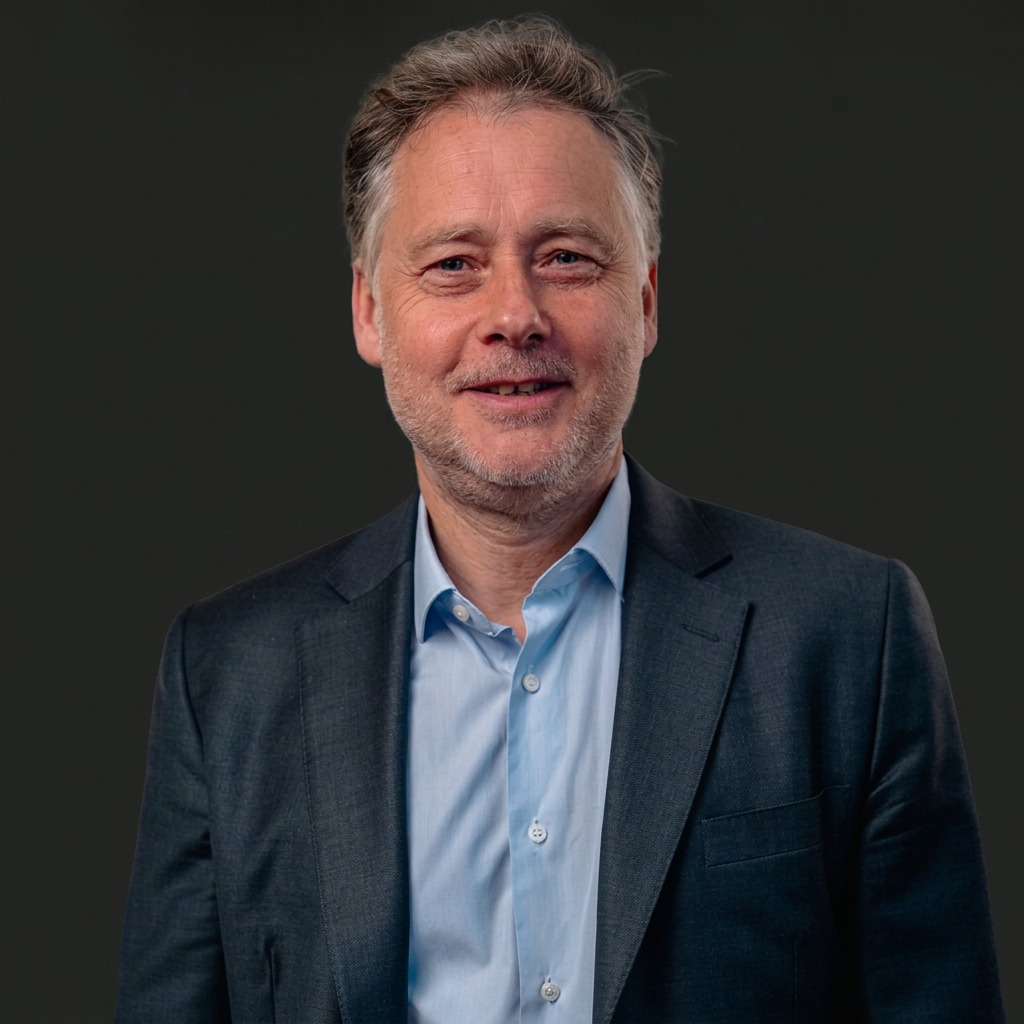
Pierre‑Etienne Franc is CEO and Co‑Founder of Hy24, the world's leading hydrogen investment platform, managing the €2 billion Clean Hydrogen Infrastructure Fund. He previously served as Vice President for Hydrogen at Air Liquide and co‑founded the Hydrogen Council, leading global industry coordination on hydrogen technologies. His career spans more than two decades across industry, investment, and international collaboration, including leadership roles in hydrogen strategy, market development, and large‑scale project deployment. He continues to work closely with governments, investors, and industry leaders to accelerate clean‑hydrogen infrastructure worldwide.
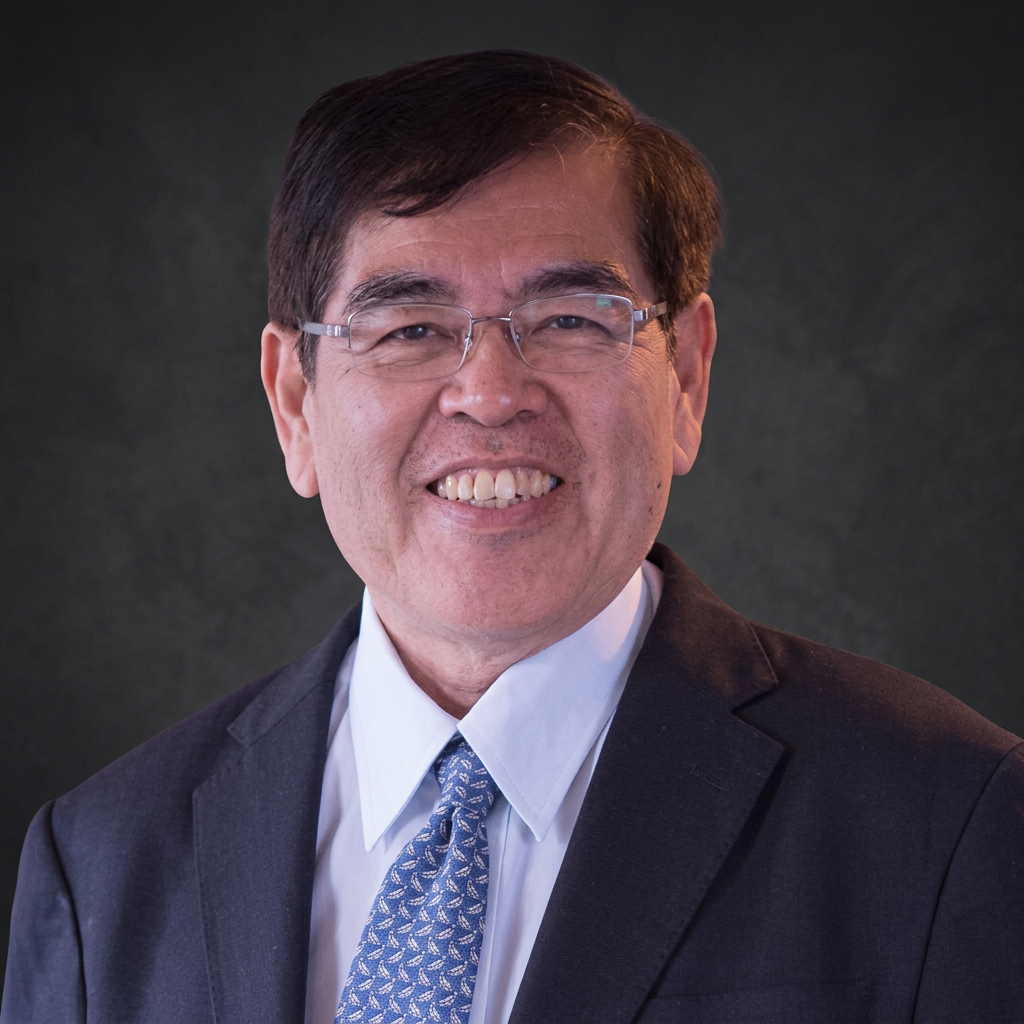
Dr. Katsuhiko Hirose is a globally known leader in automotive technology and was formerly a senior leader at Toyota Motor Corporation, where he played a central role in the development of the Prius hybrid as well as fuel cell vehicles and hydrogen storage. He later served as a founding member and secretary of the Hydrogen Council, co‑chairing study groups that produced several of the Council’s early strategic reports. After retiring from Toyota in 2019, he became CEO and Chief Consultant of HyWealth Co., providing expertise and advice to various organizations. He also serves as a Visiting Professor at Kyushu University.

Ivana Jemelkova is CEO of the Hydrogen Council, the world’s largest CEO-led global industry initiative on hydrogen, uniting executives from more than 140 companies and investors across 30 countries to accelerate the energy transition. She has nearly two decades of experience in energy, hydrogen, sustainability, and policy, with a track record of building coalitions and partnerships to drive decarbonization. She previously served as Senior Managing Director at a global consultancy and has advised industry, governments, and non-profit organizations worldwide. She has held various positions including in Belgium, Germany, and the United States, working extensively to foster global collaboration.
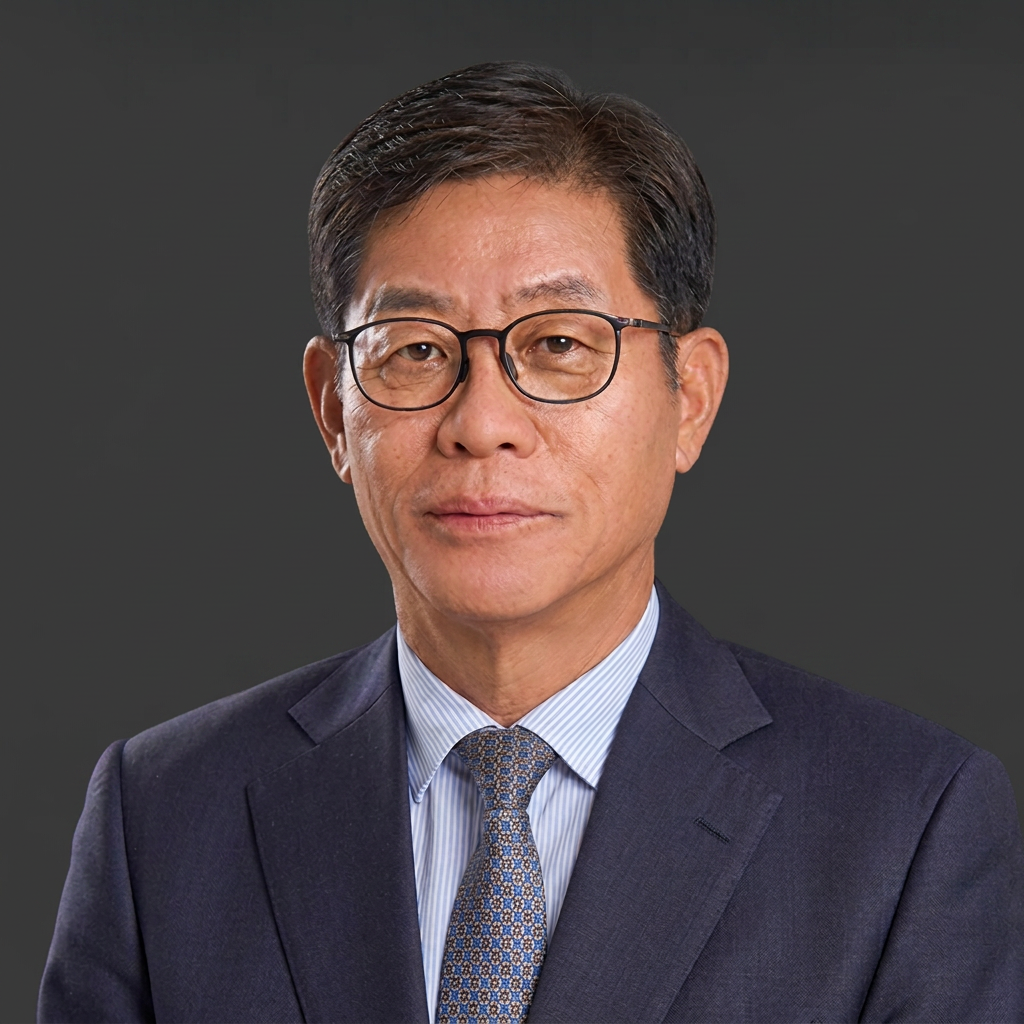
Dr. Jaehong Kim is Vice-Chair of the Global Hydrogen Industry Association Alliance (GHIAA) and is President & CEO of the Korea Hydrogen Alliance (KHA), Korea's national public-private body advancing the hydrogen ecosystem and strengthening global cooperation across the full hydrogen value chain. He previously served as 1st Vice Minister of the Ministry of Trade, Industry and Energy (MOTIE) and later as President & CEO of KOTRA, leading major national industrial, trade, and energy initiatives. He has also held senior government roles including Director-General positions within Korea's industrial and energy ministries, and has served as a professor and senior advisor in academia.

Dr. Rebecca Maserumule has contributed extensively to South Africa's hydrogen policy, research strategy, and energy-transition planning. She has served as Chief Director for Hydrogen and Energy at the Department of Science and Innovation, leading national programmes including Hydrogen South Africa, as a board member of the South African National Energy Development Institute, and as Chair of the International Partnership for Hydrogen in the Economy. She is currently Programme Director at the Industrial Development Corporation, overseeing hydrogen, just-transition, and workforce initiatives. She holds a Ph.D. in applied mathematics from Rensselaer Polytechnic Institute.
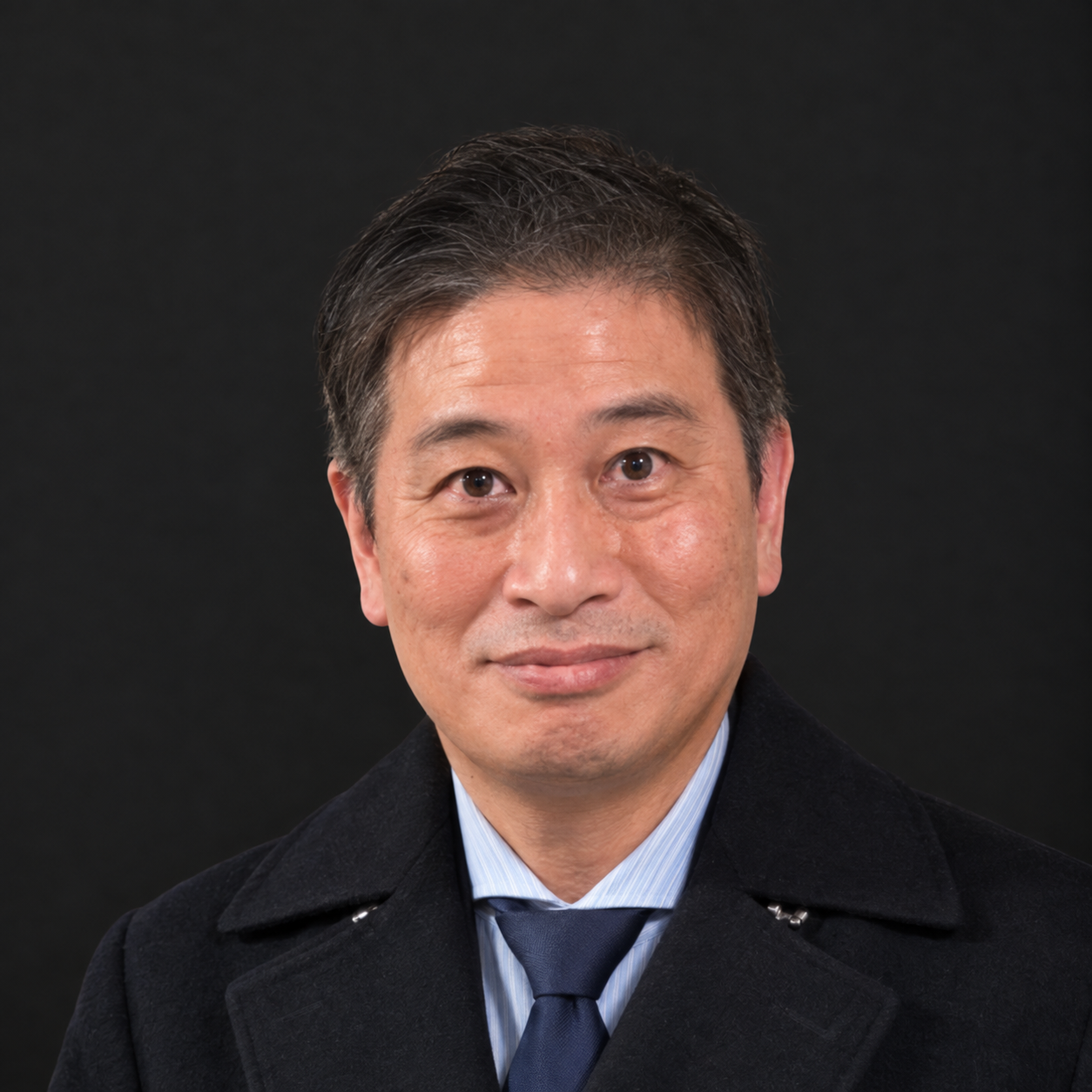
Eiji Ohira is a long‑time leader in Japan's hydrogen and fuel cell sector, with more than two decades of experience spanning government, industry, and global collaboration. He previously served as Director of the Fuel Cell and Hydrogen Technology Office at NEDO, where he led major national R&D and deployment programs and played a central role in advancing Japan's hydrogen strategy across mobility, infrastructure, and energy systems. He currently serves in leadership roles within the Japan Hydrogen Association (JH2A) in Germany, and also within Kawasaki Heavy Industries, contributing to global hydrogen initiatives, international collaboration, and large‑scale supply‑chain development.
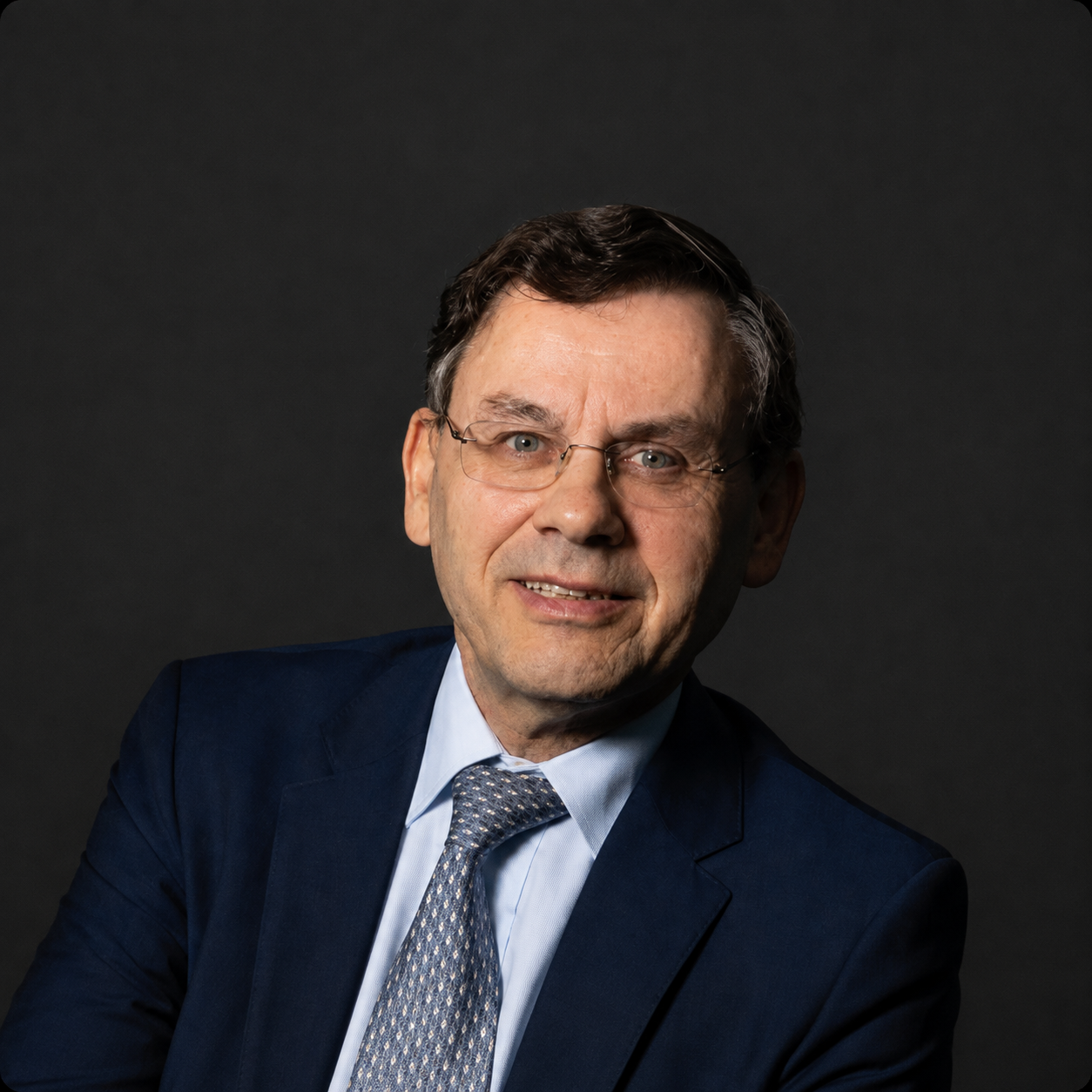
Dr. Noé van Hulst is Vice‑Chair of the International Partnership for Hydrogen and Fuel Cells in the Economy (IPHE), Hydrogen Advisor to the International Energy Agency (IEA) and to Gasunie, and a Senior Fellow at the Centre for International Energy Policy as well as the Payne Institute for Public Policy. He previously served as Hydrogen Envoy for the Netherlands, Dutch Ambassador to the OECD, and Chair of the IEA Governing Board. Earlier roles include Secretary‑General of the International Energy Forum, Director of the Energy Academy Europe, and Director‑General for Energy at the Dutch Ministry of Economic Affairs. He holds a master’s and Ph.D. in economics from the Vrije Universiteit Amsterdam.
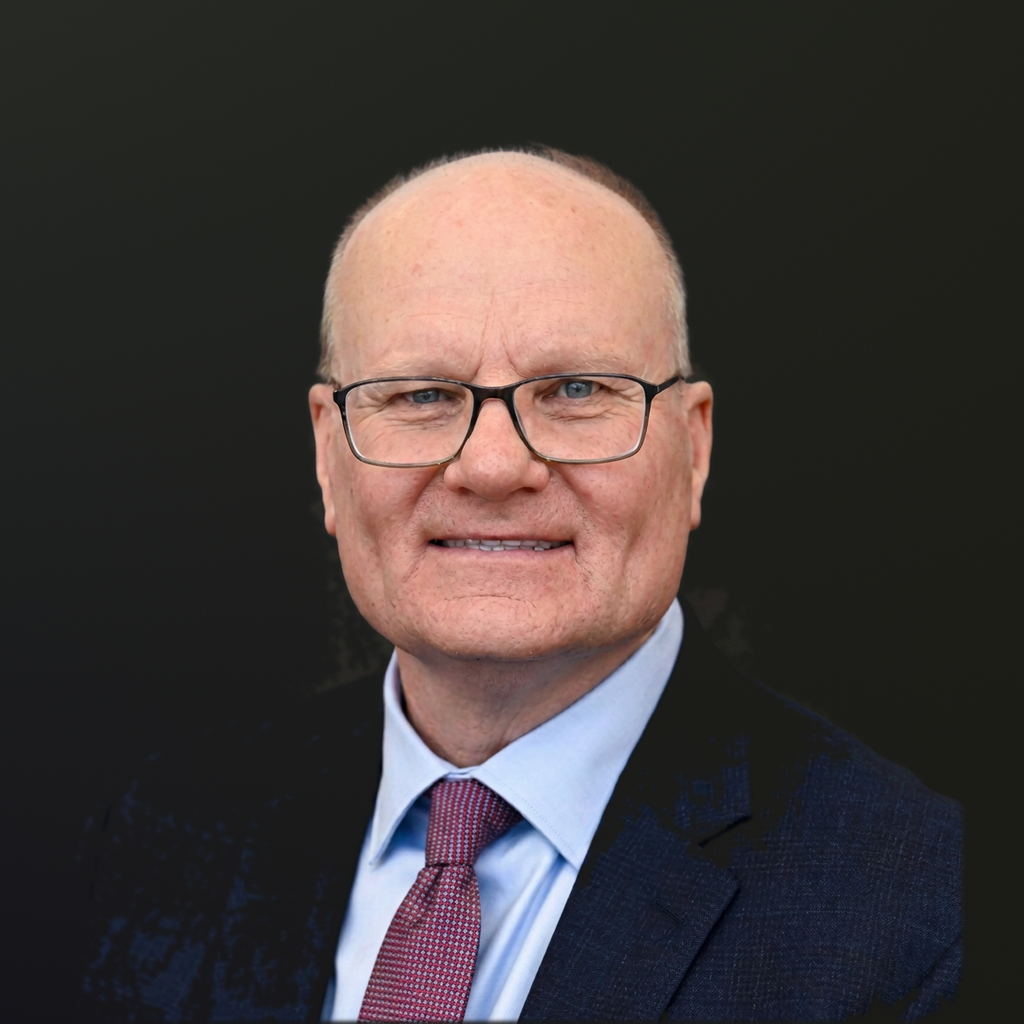
Frank Wolak is Chair of the Global Hydrogen Industry Association Alliance (GHIAA), an international coalition advancing global hydrogen industry collaboration. He is also President and CEO of the Fuel Cell and Hydrogen Energy Association (FCHEA), the U.S. industry association representing leading companies engaged in the hydrogen and fuel cell industry, advocating for policies, programs, and support for technologies across the sector. Previously he served as a Senior Vice President at FuelCell Energy, where he initiated some of the world's largest and most innovative fuel cell applications, and he has held executive positions in energy services, investment, and power development industries.
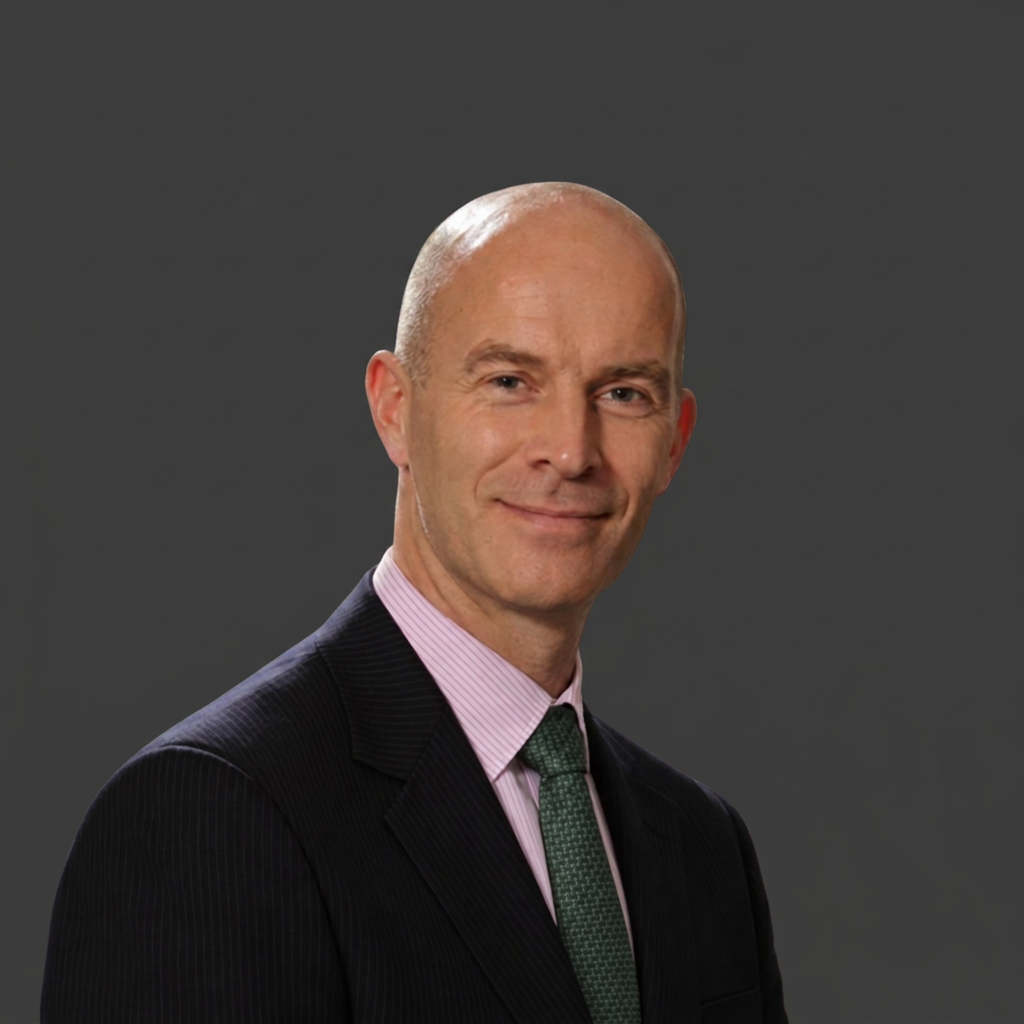
Frank Wouters is Chairman of the Middle East and North Africa (MENA) Hydrogen Alliance, Director of the Mediterranean Green Electrons and Molecules (MED-GEM) Network, and a Fellow at the Payne Institute for Public Policy. He previously served as Deputy Director General of the International Renewable Energy Agency (IRENA). He has more than 30 years of experience in the global energy transition across multiple leadership roles, including advising major industries such as Reliance in India.